




















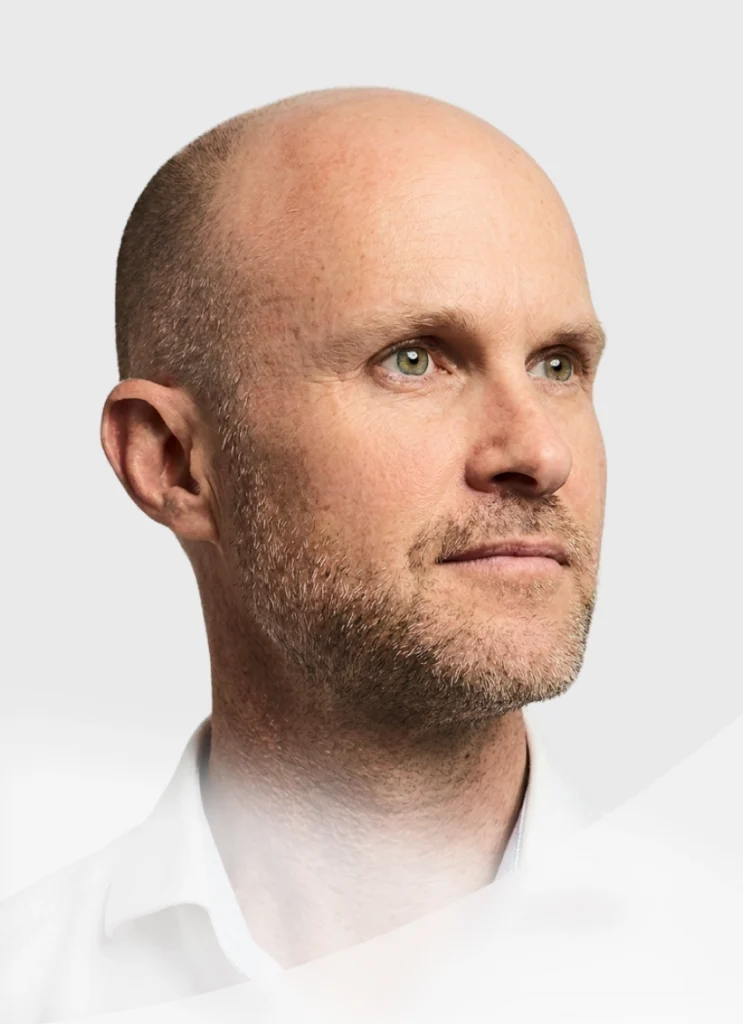
“Working with Avenga is like having a team of experts whose capabilities you never have to test.”
Ronald Holmes
CTO

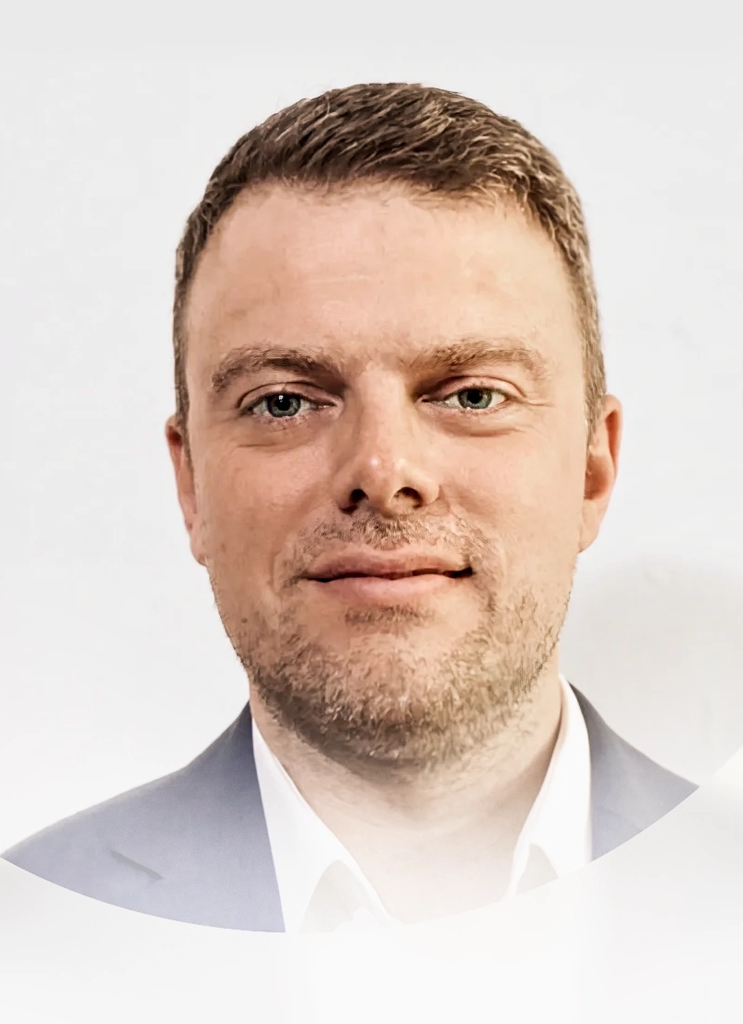
“Today, customers want things to be easy, fast, and personal. With our new partnership with Avenga and Microsoft, we’re making banking as simple as a conversation — anytime, anywhere.”
Kyriakos Fragkeskos
Head AI & Analytics

“The quality of IT professionals provided has consistently met high standards, and the level of commitment, responsiveness, and professionalism has been outstanding. “
Avenga has proven to be a reliable partner, delivering skilled resources and maintaining strong engagement throughout our collaboration.
Kinga Kosman
IT Service Delivery Lead

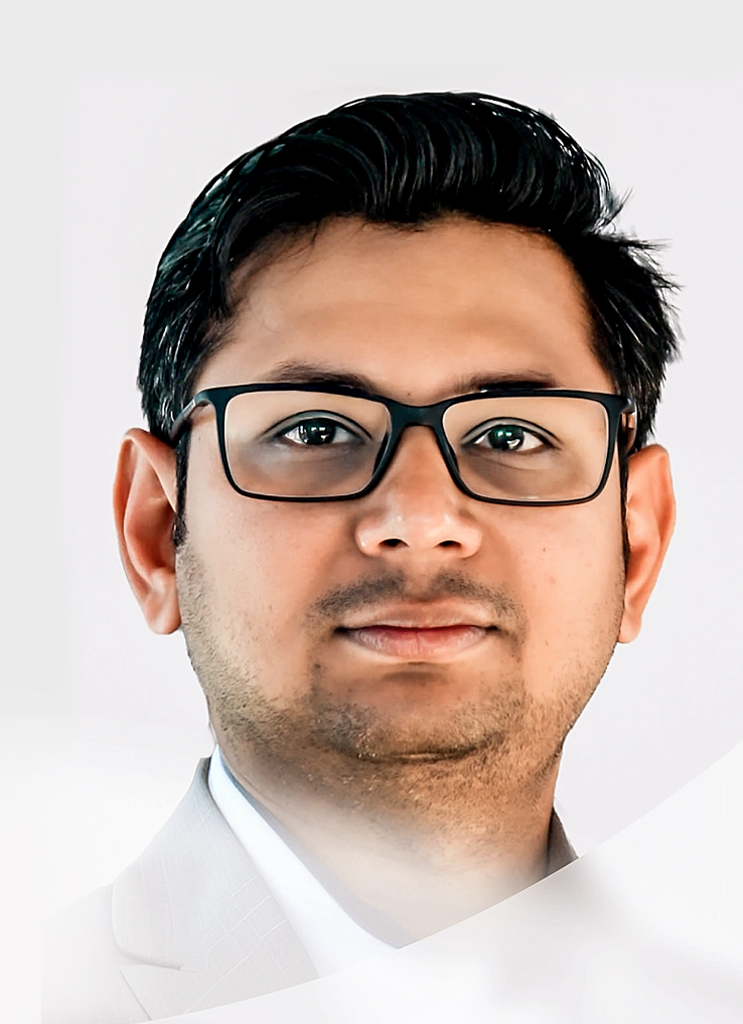
“I’ve worked with Avenga for over 9 years and have consistently experienced a strong partnership built on professionalism, technical expertise, and delivery excellence.”
With deep domain understanding in Healthcare and Life Sciences, they have been effective in supporting complex engineering and delivery initiatives while maintaining high quality and collaboration standards.
Karthik Bodducherla
Director, Applications Development

“Our goal has always been to simplify our customers’ everyday financial lives, and to do so, we need a strong, scalable infrastructure. We’ve been able to seamlessly migrate to the modern core and future-proof our technology. “
The collaboration with Mambu and our long-term technology partner Avenga has been seamless, allowing us to migrate to the cloud and modernise our consumer and business deposit offering and we’re excited about the opportunities it brings as we grow in the market.
Bo Andersson
Chief Information Officer

Engineering Outcomes. The Avenga Difference.
Results,
not deliverables
Your modernization investment is tied to measurable results, not the amount of effort required to deliver them. We establish the target outcomes upfront and take responsibility for achieving them, keeping every delivery decision focused on the improvements your modernization is expected to produce.
AI-native modernization. Up to 50% faster
Completing a migration or releasing modernized code doesn’t define success. Measurable improvements in performance, reliability, scalability, and cost do. That’s why we structure application modernization around the outcomes it needs to achieve, with end-to-end ownership, AI-native delivery, and complete execution visibility.
Full visibility into modernization progress
We continuously measure engineering performance throughout the modernization, tracking improvements in delivery speed, software quality, reliability, and cost efficiency. You gain objective evidence of the value delivered and clear visibility into progress throughout the engagement.
Safeguarded operational continuity
Your live systems are modernized through a controlled release process using blue/green deployments, feature flags, canary releases, and automated rollback. If a deployment behaves unexpectedly, the last stable version can be restored immediately, protecting the operations that depend on the application.
An Application Modernization Process Built for Business-Critical Systems





We assess how your legacy system works today, including its architecture, dependencies, integrations, operating constraints, and business requirements. Stakeholder input, system documentation, and AI-assisted analysis are consolidated to surface hidden dependencies and risks before modernization decisions are made.
30+ Years of Engineering Experience in Your Industry

Banking and Financial Services
Leverage legacy app modernization strategies designed around your financial environment, from refactoring and API enablement to migration, to evolve mainframe and core systems toward a more scalable and maintainable architecture.









Trusted by Leading Enterprises. Proven in Legacy Modernization
-
 Case Study · February 20, 2026
Slashing review cycles by 86% with automated fraud detection
-
-
 Case Study · November 20, 2025
Delivering 100% system compatibility for Ayasdi’s ML infrastructure
-
-
-




Certified Expertise Across Your Technology Ecosystem







Your Vision. Our Engineering. One Conversation to Begin