






Energy and AI: Artificial intelligence applications reshaping the energy sector and future energy systems

September 2, 2026 9 min read 212 views
AI needs electricity to run. Increasingly, the energy system also needs AI to manage the electricity AI demands.
That relationship is changing the energy sector from both directions.
IEA reported that data centres consumed about 415 TWh of electricity in 2024, around 1.5% of global consumption. By 2030, global data centre electricity consumption could more than double to about 945 TWh, with AI as the main driver of that increase.
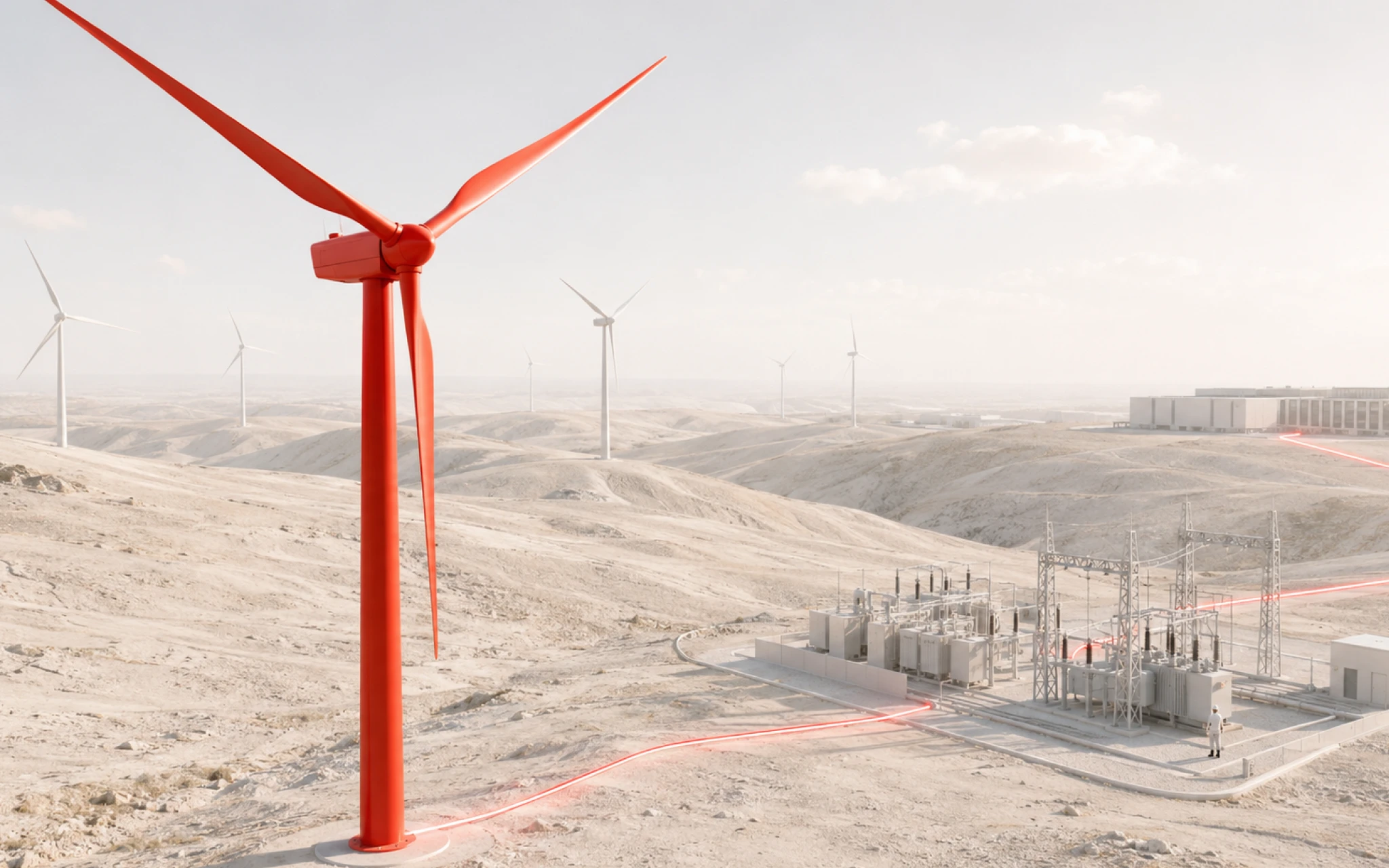
At the same time, artificial intelligence can help energy companies forecast demand, manage renewable energy, identify equipment problems, optimize grid operations, and control energy consumption.
This makes energy and AI a two-sided engineering problem. The industry needs enough energy infrastructure to support scaling AI, while AI for energy needs high-quality data, clear operating limits, and reliable integration with physical systems.
AI in the energy sector: Key takeaways
- AI can improve grid decisions. Forecasting, anomaly detection, demand management, and real-time analysis can help operators respond earlier.
- Renewable energy creates a strong AI use case. Models can forecast solar and wind output and support the integration of renewables.
- Predictive maintenance can reduce operational surprises. AI algorithms can analyze equipment data and flag changes before failure.
- AI also increases electricity demand. AI data centres place new pressure on generation, data centre capacity, and grid infrastructure.
- Data quality remains critical. AI models depend on consistent operational data, sensor information, asset records, and energy-market signals.
- Governance and cybersecurity matter. AI systems connected to critical energy infrastructure need clear authority, monitoring, and fallback procedures.
The impact of AI depends on whether energy companies connect prediction with a real operating decision.
How artificial intelligence changes the energy industry
The energy industry already produces large amounts of operational data.
Power plants, substations, smart meters, renewable assets, storage systems, markets, and grid equipment collect information about generation, demand, weather, voltage, asset condition, and electricity consumption.
AI technologies can collect data from these sources and identify patterns that conventional rule-based systems may miss.
A 2025 review found that artificial intelligence and machine learning can support renewable integration, forecasting, fault detection, operational control, and cybersecurity in smart grids. The research also points to data quality, system complexity, and security as important adoption challenges.
The use of AI therefore extends from individual equipment to the wider energy system.
AI applications across the energy industry
The strongest AI applications usually address a repeated decision where timing, complexity, or data volume limits manual analysis.
Using AI for grid forecasting and control
Electricity supply and demand have to remain balanced.
AI models can use historical load, weather, market data, smart meter readings, and distributed energy information to forecast energy demand.
AI could help grid operators:
- Predict short-term electricity demand
- Detect unusual power flow
- Forecast congestion
- Compare storage options
- Support demand response
- Identify likely equipment faults
- Improve real-time resource allocation
AI can help a power grid respond to more distributed and variable energy sources without requiring operators to examine every signal manually.
The model should support operators rather than hide the assumptions behind a recommendation.
Using AI for sustainable energy and renewable integration
Solar and wind generation depend on changing weather conditions.
AI can forecast renewable energy generation by combining historical output, satellite information, weather data, and local operating conditions.
This helps operators compare expected supply with demand and storage capacity.
A 2025 briefing noted that AI can support electricity-grid optimization, renewable integration, storage management, congestion control, and energy efficiency.
These applications can support a more sustainable energy system, but AI cannot replace physical investment in transmission, storage, generation, and grid connections.
AI for predictive maintenance and power generation
Energy infrastructure produces operational signals long before equipment fails.
AI algorithms can analyze:
- Temperature
- Vibration
- Pressure
- Acoustic signals
- Operating hours
- Maintenance history
- Weather exposure
- Electrical measurements
Predictive maintenance can flag equipment that requires inspection before a failure interrupts power generation.
For Siemens Energy, utilities, renewable developers, and other equipment or infrastructure stakeholders, the underlying logic is similar: detect deterioration earlier and give engineers more time to respond.
AI can also support power plants by identifying unusual operating behavior and comparing performance with historical baselines.
AI for energy efficiency
Using AI to optimize consumption can create value in industrial facilities, buildings, utilities, and data centres.
AI tools can compare load, production requirements, temperature, occupancy, and historical consumption. They can then recommend operating changes or automate low-risk adjustments.
An AI platform may also coordinate heat and transport loads, smart charging, building systems, or distributed energy resources.
The result should appear in measurable energy efficiency, cost, reliability, or emissions indicators.
Put AI into energy operations with governed data, measurable outcomes, and human control built into the engineering.
Data centre growth changes the energy and AI equation
AI is not only an efficiency technology. It is also a new source of energy demand.
A modern AI-focused data centre requires electricity for compute, cooling, networking, storage, and backup infrastructure.
The same IEA Energy and AI analysis estimates that data centres could consume around 945 TWh annually by 2030. It also estimates that about 20% of planned data centre projects could face delays if grid connection and infrastructure constraints remain unresolved.
The pressure is often local rather than global.
AI data centres tend to concentrate where connectivity, talent, land, and existing data center infrastructure are available. Large new loads can compete with manufacturing, electrification, housing, and other regional priorities for grid capacity.
Avenga’s cloud services can support organizations planning the infrastructure, architecture, and operating environment behind compute-intensive AI systems.
Scaling AI therefore requires energy planning as well as computing strategy.
Building a resilient energy system with AI
AI can improve resilience only when the surrounding engineering remains dependable.
Energy companies need to consider three areas.
Data
AI data must be current, complete, and connected to the correct asset or operating condition.
Avenga’s data services support data architecture, pipelines, analytics, and governance required for production AI.
High-quality data matters more than adding another model.
Security
Greater connectivity creates more access points across the energy system.
AI applications may connect with operational technology, cloud environments, APIs, market information, and grid infrastructure.
Avenga’s cybersecurity services support security engineering around critical applications, infrastructure, identities, and data.
Energy security and cybersecurity increasingly overlap.
Human authority
Operators need to know what an AI system can recommend, prepare, or execute.
A low-risk scheduling change may be automated. A major grid, safety, or power-generation decision may require approval.
AI earns its place in energy systems when it helps operators see change earlier, explain what the model recommends, and act without losing accountability. The goal is not automation for its own sake. It is a more reliable, efficient, and resilient energy system.
Hana Chundelova Sulcova, VP of Business Development at Avenga
A resilient energy system needs AI capabilities that fail safely as well as perform well.
How energy companies can implement AI
Using AI effectively starts with a business or operating decision rather than a broad technology program.
- Choose one decision. Start with forecasting, maintenance, grid congestion, renewable output, or energy consumption.
- Create a baseline. Measure cost, error, response time, downtime, or energy use before adding AI.
- Prepare the dataset. Define data access, ownership, quality, update frequency, and retention.
- Select the right model. AI models should match the task rather than force every problem into the same architecture.
- Set authority limits. Define which actions AI can recommend or complete.
- Test difficult conditions. Include missing data, extreme weather, equipment faults, and unusual demand.
- Monitor production. Track model accuracy, overrides, security events, and business results.
Avenga works with organizations across the energy industry on engineering tied to AI, data, software, infrastructure, and operational systems.
The implementation should expand only after the first use case proves measurable economic value.
The future of energy with AI
The future of energy will be shaped by both sides of the AI equation.
AI systems will require more compute and electricity. At the same time, the energy sector can use AI to manage generation, demand, renewable integration, infrastructure, and energy efficiency.
The European Commission published a strategic roadmap for digitalisation and AI in the energy sector in June 2026. It focuses on areas including grid optimization, demand-side flexibility, and energy efficiency.
The rise of renewables, electrification, storage, and AI data centres makes coordination more difficult. AI can help, but physical energy resources and large-scale grid infrastructure still determine what the system can deliver.
The energy future therefore depends on pairing new energy technologies with better decision systems.
FAQ
Conclusion: Energy and AI have to develop together
AI can help energy companies forecast demand, manage renewable generation, identify equipment risk, improve energy efficiency, and operate a more resilient grid.
But AI also consumes energy.
The energy industry therefore faces a dual challenge: support the electricity and infrastructure requirements of scaling AI while using artificial intelligence to improve the system supplying that power.
AI Native Engineering connects both sides. Put AI into real energy workflows, ground it in dependable data, define authority, protect critical systems, and measure the outcome.
If your organization is evaluating AI for energy, grid intelligence, infrastructure, or data-intensive energy applications, contact Avenga to discuss the engineering approach.


Your business results matter
Achieve them with minimized risk through our bespoke innovation capabilities. Fill in the form below.