





Key biotechnology trends, a mid-year update


June 5, 2026 22 min read 328 views
Exploring the innovations shaping the future of biotechnology and pharmaceutical research in 2026.
The biopharma industry is experiencing a rapid evolution as new technologies and methodologies emerge. The global market of biotech is forecast to surpass $1.7 trillion by 2030, driven by groundbreaking advancements and innovative approaches. This mid-year update explores these advancements and the industry trends shaping the sector in 2026 and, most likely, well beyond.
AI is reshaping biotech
Unsurprisingly, Artificial intelligence (AI) is revolutionizing the biotech industry. It enhances drug discovery, optimizing clinical trials and advancing precision medicine. As AI technology matures, its integration into biotech processes yields tangible results, marking a significant leap forward.
AI integration in drug discovery
According to the most recent statistics, the integration of AI within the drug discovery market is moving significantly. The more companies working in drug discovery use AI, the greater demand for the technology emerges. As a result, the market size explodes (see Fig.1).
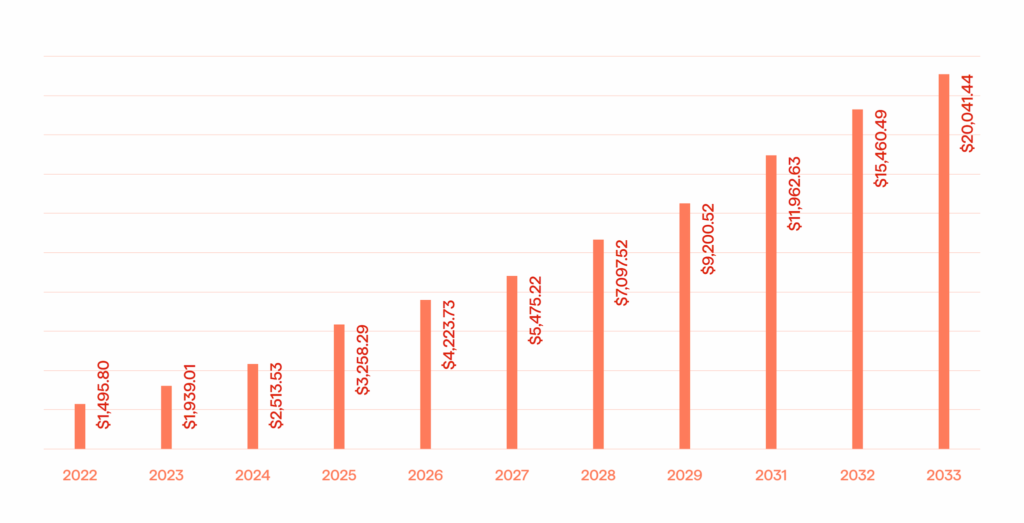
AI changes drug discovery by analyzing vast datasets to identify potential drug candidates and optimize development timelines. The integration of AI in this field represents a significant leap forward, providing unprecedented speed and accuracy in identifying new therapeutic compounds. Here are some indicative aspects to mention:
- Predictive analytics. AI and Machine Learning (ML) predict molecular structures and identify omics variants, aiding drug design and vaccine development.
- Enhanced drug design. AI’s success in predicting protein folding has been a major breakthrough for developing new drugs. For instance, the AlphaFold project by DeepMind has revolutionized the field by predicting the structures of proteins with remarkable accuracy, providing invaluable insights for drug development.
- Clinical trial optimization. AI improves patient stratification and ensures experts test therapeutics on populations most likely to benefit. This precision enhances the efficacy of clinical trials, reduces costs, and accelerates the time to market. According to a recent research, GPT-4 agents, enabled by Agentic AI capabilities, can attain an 87% accuracy in diagnostic and enrolment decisions.
AI’s role in drug discovery is shifting from mere adoption to achieving tangible successes in drug development, marking a new phase in the industry’s evolution. As the technology matures, the focus is increasingly on delivering real-world results.
u003cspan class=u0022TextRun SCXW243400296 BCX0u0022 lang=u0022EN-GBu0022 xml:lang=u0022EN-GBu0022 data-contrast=u0022autou0022u003eu003cspan class=u0022NormalTextRun SCXW243400296 BCX0u0022u003eBuild it. Think it through. Run it with u003c/spanu003eu003cspan class=u0022NormalTextRun SpellingErrorV2Themed SCXW243400296 BCX0u0022u003eAvengau003c/spanu003eu003cspan class=u0022NormalTextRun SCXW243400296 BCX0u0022u003e.u003c/spanu003eu003c/spanu003eu003cspan class=u0022EOP SCXW243400296 BCX0u0022 data-ccp-props=u0022{}u0022u003e u003c/spanu003e
AI early clinical adopters in oncology
Oncology professionals are among the early adopters of AI. Experts in the field use the technology to identify patterns in patient data and optimize treatment strategies. That is exactly why AI in the oncology market is currently on the rise (see Fig.2).
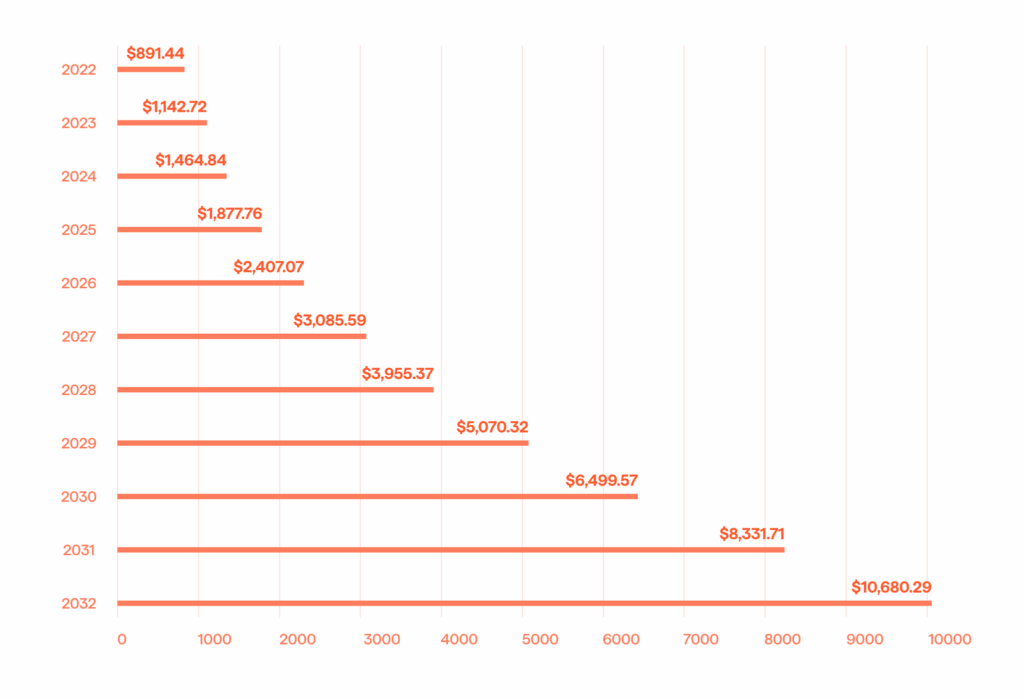
These are some of the key aspects making AI so beneficial to oncology:
- Pattern recognition. AI helps identify patterns in vast datasets, aiding early cancer detection and customizing treatment plans.
- Optimal treatment strategies. AI can suggest the most effective treatment protocols by analyzing patient data and improving patient outcomes. A study published in the Journal of Clinical Oncology found that AI-based treatment plans increased the accuracy of cancer diagnoses by 85%.
- Increased interest in diagnostics. There is growing interest in AI for diagnostic support, with AI systems helping to interpret medical images and pathology reports more accurately and swiftly than traditional methods.
AI is a game-changer in oncology. It offers more precise and personalized treatment strategies that significantly improve patient care and enhances early diagnosis, helping to recognize cancer at stages that might otherwise be missed by traditional methods.
RWE trials
Real World Evidence (RWE) are key for biotech firms. It is redefining drug development. And it does so by using existing data from electronic health records (EHR) and real-world practices. In such a case, there is definitely a bright future for RWE in biopharma (see Fig.3).
When it comes to particular things RWE offers to biopharma, let’s take a look at these principal indications:
- Data utilization. RWE uses EHR and real-world practices to provide comprehensive drug efficacy and safety insights.
- Personalized medicine. RWE enables tailoring treatments to individual patient needs, optimizing clinical outcomes, and reducing adverse effects.
- Comprehensive insights. Using diverse, real-world datasets, RWE helps uncover rare side effects and enhances the understanding of drug performance across varied patient groups. This comprehensive view is crucial for developing safer and more effective treatments.
RWE offers biotech companies a competitive edge by enhancing the efficiency and effectiveness of drug development. It ultimately leads to more personalized and patient-centric treatments.
Integration of multi-omic data
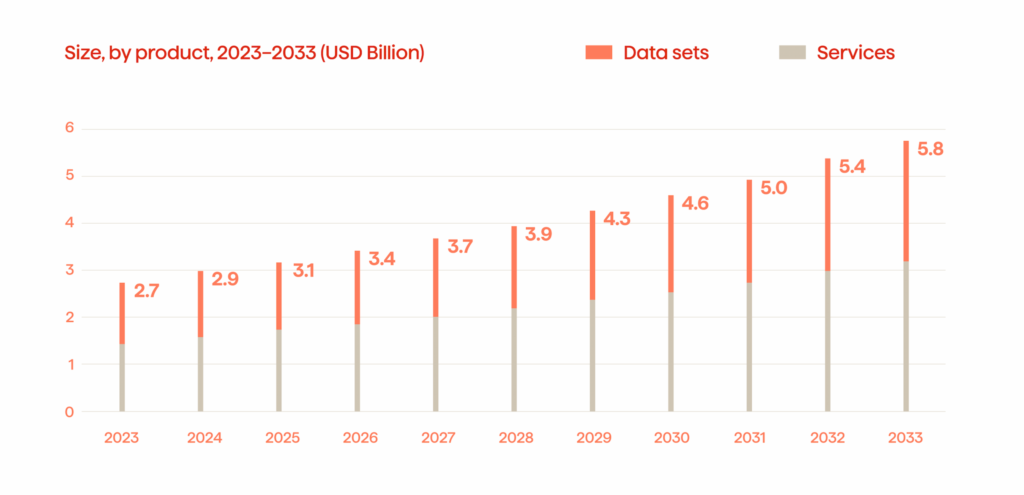
Integrating genomic, transcriptomic, proteomic, and metabolomic data, including amino acid sequences that define protein function, provides a comprehensive understanding of biological systems, essential for advancing precision medicine. Working with multi-omic data also represents a lucrative opportunity, with a market rising at about 15% per annum (see Fig. 4).
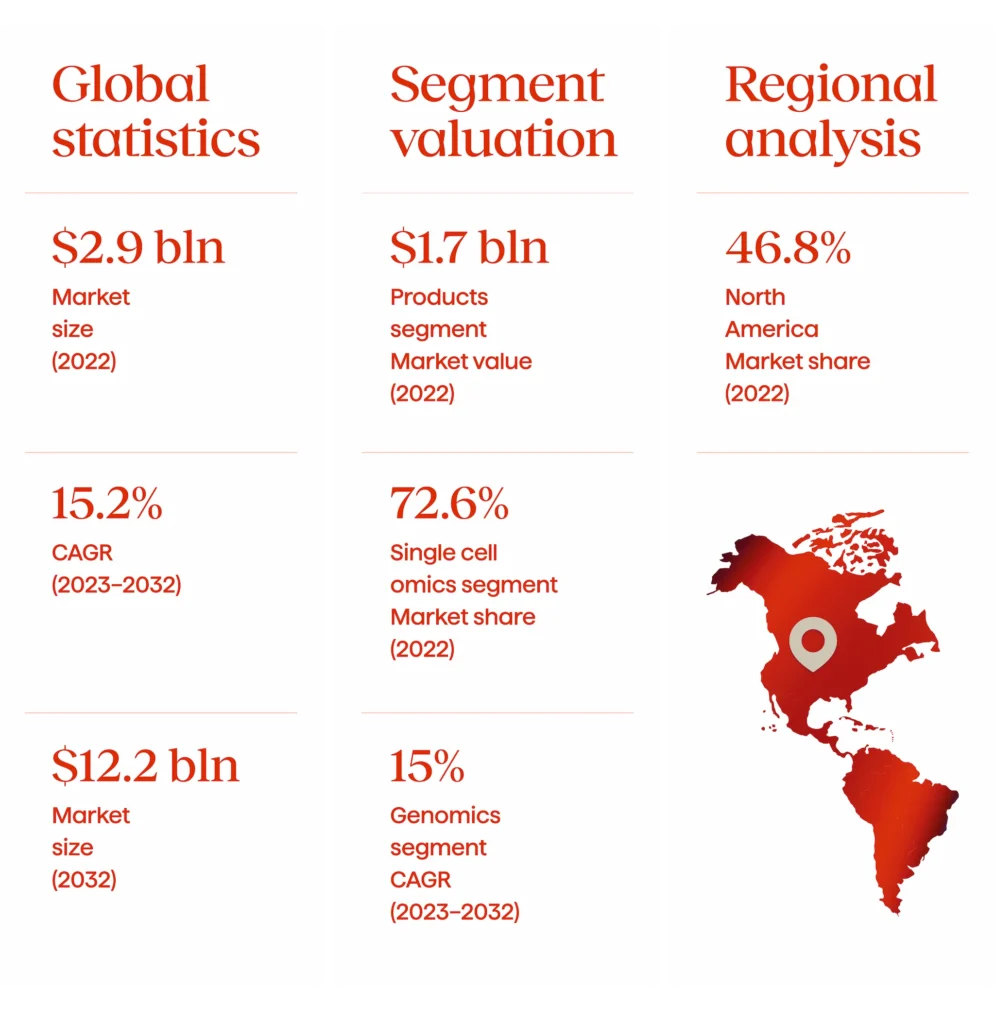
This multi-omic approach combines multiple types of omic data to create a holistic view of molecular mechanisms within biological systems.
- Holistic view. Multi-omic integration combines various data types to understand molecular mechanisms comprehensively. A study in Nature Biotechnology reported a 40% increase in novel biomarker identification using multi-omic approaches.
- Biological insights. Multi-omic data helps identify critical biomarkers and therapeutic targets, enhancing the precision of disease diagnosis and treatment.
Multi-omic data and AI: potential benefits
Integrating multi-omic data with AI boosts biological research potential. AI algorithms can analyze extensive and complex datasets, revealing patterns and insights that traditional methods might overlook.
- Enhanced precision medicine. AI can analyze multi-omic data to identify personalized treatment plans tailored to an individual’s genetic makeup and biological profile, improving treatment efficacy and patient outcomes.
- Accelerated drug discovery. By integrating multi-omic data, AI can identify new drug targets and predict drug responses, speeding up drug discovery and reducing costs.
- Early disease detection. Multi-omic data combined with AI can lead to earlier disease detection through the identification of subtle biomarkers, enabling timely interventions and better prognosis.
- Comprehensive disease understanding. AI-driven multi-omic data analysis provides a deeper understanding of the molecular basis of diseases, uncovering new insights into disease mechanisms and progression.
- Improved clinical trials. Generative AI can optimize patient selection and stratification in clinical trials by analyzing multi-omic data, ensuring more accurate and reliable trial outcomes.
- Cost-effective healthcare solutions. Integrating AI with multi-omic data can lead to more cost-effective healthcare solutions by enabling precision medicine, reducing unnecessary treatments, and improving resource allocation.
- Personalized preventive strategies. AI can utilize multi-omic data to develop personalized preventive strategies, helping individuals mitigate their risk of developing certain diseases based on their unique biological profiles.
Enhanced by AI, multi-omic data is crucial for comprehensive biological research and precision medicine. This powerful combination offers profound insights into disease mechanisms and potential treatments.
Overall, though it might sound like a cliche, the evidence truly shows how AI is reshaping the biopharma industry. The technology drives significant advancements in drug discovery, clinical trials, and personalized medicine.
The integration of AI, advancements in RWE, and multi-omic data have changed the industry as never before. Now, people working in the given segment have on their hands unprecedented opportunities for research and patient care.
Bioinformatics
Bioinformatics is undergoing rapid advancements. Coupled with innovative technologies, the industry presents deeper insights into biological systems on almost a daily basis. These trends have a direct impact on other important sectors, including healthcare, agriculture, and environmental studies. Specifically, understanding cellular and microbial heterogeneity is a way to make things a lot better for the aforementioned industries. Let’s see how it’s happening right now.
Single-cell sequencing
Single-cell sequencing is all about understanding cellular heterogeneity by providing unprecedented resolution at the individual cell level. In layman’s words, single-cell sequencing helps understand the differences between individual cells by giving very detailed information about each cell. This advanced technique is crucial for identifying and studying rare cell types, which is particularly important in the context of tumor heterogeneity and disease progression.
- Cellular heterogeneity. Single-cell sequencing offers insights into the diverse cell populations within a tumor, revealing variations that bulk sequencing methods often miss. To illustrate, in a tumor, not all cancer cells are the same. Some might be resistant to treatment while others are not. Single-cell sequencing can identify these different types of cells within the tumor.
- Rare cell types. This technology helps identify and study rare cell types that contribute significantly to disease progression. For example, in cancer research, single-cell sequencing can uncover specific cell types responsible for metastasis, guiding the development of targeted therapies.
Single-cell sequencing is a powerful tool for advancing cancer research and personalized medicine.
Metagenomics
Metagenomics digs into the genetic material of microbial communities in diverse environments. Essentially, it studies the DNA of all the microbes living in different environments, like soil, water, or the human body. At the moment, the metagenomic market experiences its best years (see Fig. 5).
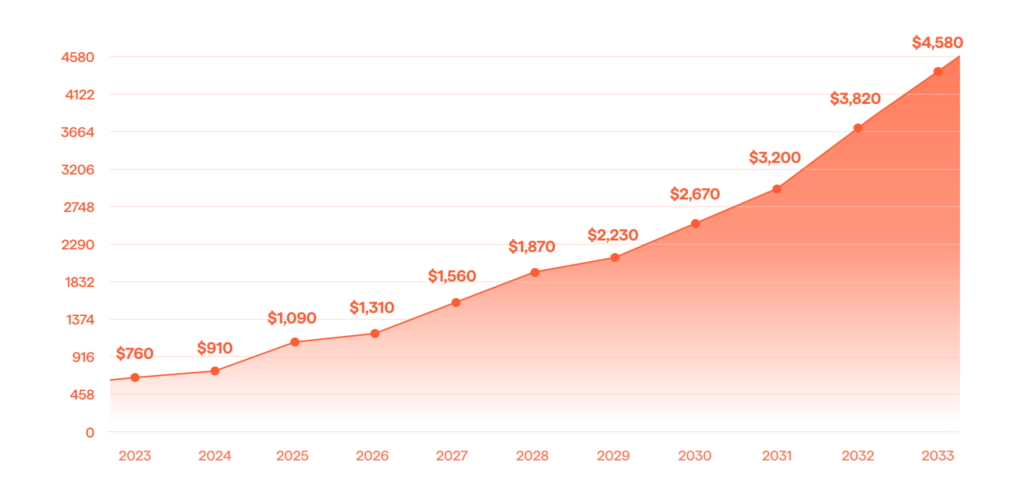
Metagenomics has significant implications for understanding the human microbiome and the biodiversity of ecosystems. Here are some notable moments to mention:
- Microbial communities. Metagenomics analyzes the human microbiome and environmental biodiversity, providing a comprehensive view of microbial populations and their interactions. This analysis is crucial for understanding how microbial communities influence health and disease.
- Applications. In healthcare, metagenomics is instrumental in understanding disease mechanisms, particularly those involving infections and chronic diseases linked to microbiome imbalances. In agriculture, it aids in improving crop health by identifying beneficial microbes and understanding soil microbiome dynamics.
Metagenomics offers a deeper understanding of microbial ecosystems. Its ability to analyze complex microbial communities is essential for developing new therapies, improving agricultural practices, and enhancing environmental conservation efforts.
Bioinformatics is a rapidly evolving field with transformative potential, and computational tools across single-cell sequencing and metagenomics are at the forefront of biotech research, driving significant progress in cancer research, personalized medicine, healthcare, agriculture, and environmental studies.
Advancements in personalized medicine
Personalized medicine enhances therapy effectiveness and reduces adverse effects, offering a more precise and patient-centric treatment paradigm that is reshaping medical sciences at large.
Personalized cancer therapies
As with the example above, a crucial part of personalized medicine per se is precision oncology. At the moment, there are about 20 million new cancer cases globally every year. In other words, precision oncology can be a game-changer in bringing the number of deaths from cancer down. To grasp the scope of the industry, here is a segmentation (see Fig.6).
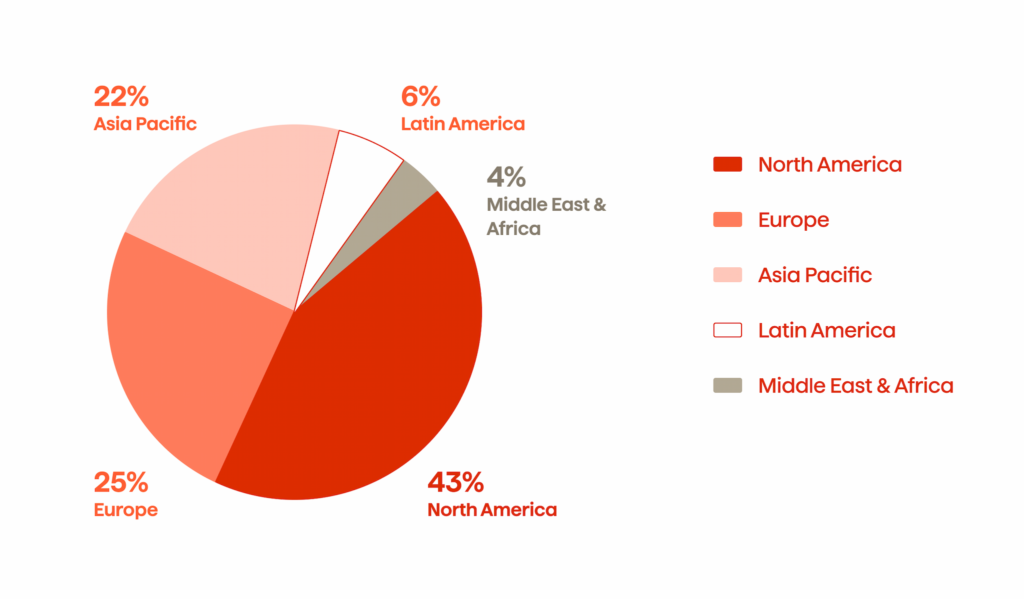
Precision oncology makes sure that individual cancer treatments are more targeted and effective. In most cases, experts can achieve that by following these aspects:
- Genetic profiling. Personalized cancer therapies utilize genetic profiling to guide treatment decisions. By analyzing a patient’s genetic makeup, oncologists can identify specific mutations driving the cancer, allowing for selection of targeted therapies that are more likely to be effective.
- Pharmacogenomics. This field of personalized medicine predicts how patients will respond to drugs based on their genetic information. By understanding genetic variations that affect drug metabolism, experts can design treatments to maximize efficacy and minimize adverse reactions.
Personalized medicine transforms cancer treatment by offering more targeted and effective therapies. By studying a person’s genes and how they respond to drugs, doctors can tailor treatments specifically for them. This results in better outcomes and fewer side effects.
Functional genomics
Functional genomics helps scientists understand what each gene does and how it’s controlled. This knowledge is crucial for CRISPR-based genetic engineering, which can precisely change or fix genes to treat diseases. The evidence shows the functional genomics market will more than triple in the next decade (see Fig.7).
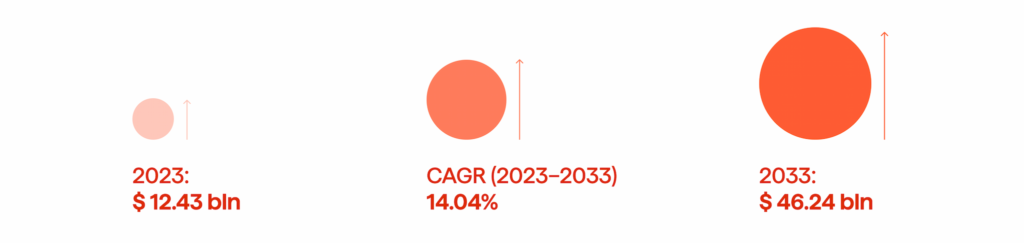
Functional genomics is essential for deciphering the complex mechanisms underlying gene function and regulation. Take a look at some of its crucial components:
- Gene editing. Advances in CRISPR technology have revolutionized functional genomics, allowing for precise genetic modifications. This has resulted in significant advancements in developing gene therapies for various diseases, including genetic disorders and cancers.
- Non-coding RNA. Functional genomics has also highlighted the importance of non-coding RNAs, which play critical roles in gene regulation. Understanding these mechanisms is essential for developing new therapeutic strategies and conducting comprehensive gene function studies.
Functional genomics is crucial for advancing gene therapies and understanding complex genetic mechanisms. The insights gained from this field are essential for developing precise gene-editing technologies and uncovering the regulatory functions of non-coding RNAs, driving forward the potential for innovative treatments.
Advancements in personalized medicine are setting new standards in healthcare, particularly in cancer treatment and gene therapy. These advancements show how personalized medicine can improve patient care by offering treatments designed specifically for each person.
More on multi-omic data
Integrating genomic, transcriptomic, proteomic, and metabolomic data provides a comprehensive understanding of biological systems. Here’s how it all works. To understand how a disease works, scientists look at different types of data, like genes, proteins, and metabolism. For example, by studying all these areas together, they can get a complete picture of how a disease affects the body and create more precise treatments. This helps doctors choose the best treatment for each patient.
- Holistic view. Multi-omic data integration combines various data types to create a holistic view of biological processes. This approach enables researchers to understand how genes, proteins, and metabolites interact, offering a deeper understanding of molecular mechanisms.
- Biological insights. By integrating multiple omic layers, scientists can more accurately identify biomarkers and therapeutic targets. Research and reviews published in Nature Biotechnology have reported that multi-omic approaches increased the identification of novel biomarkers by 40%.
Multi-omic data integration is essential for comprehensive biological research and precision medicine. It offers valuable insights into the intricate interactions within biological systems. It aids in the discovery of new biomarkers and therapeutic targets.
Network biology
Network biology views biological systems as interconnected networks, identifying key signaling pathways and drug-target interactions. At the moment, the network biology market is expanding really fast (see Fig.8).
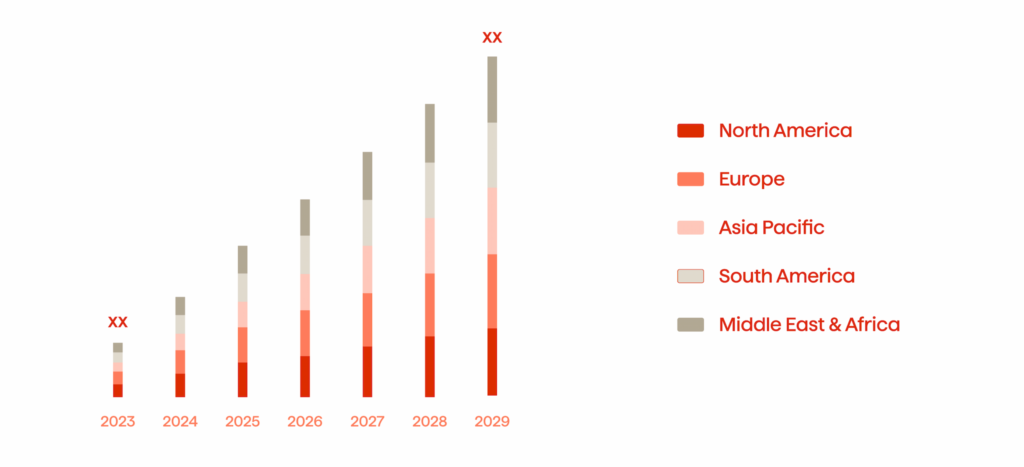
Network biology is vital for understanding how various components of a biological system interact and influence each other.
- Signaling pathways. Network biology helps understand interactions within biological networks. Researchers can identify crucial signaling pathways that regulate cellular functions by mapping out these networks. This knowledge is essential for uncovering the mechanisms of diseases and developing targeted therapies.
- Drug targets. Identifying potential targets for therapeutic intervention is a significant benefit of network biology. By analyzing the network of interactions, scientists can pinpoint critical nodes that, when targeted, can modulate disease pathways effectively. This approach enhances the precision of drug development and therapy.
Network biology offers a systemic approach to understanding and treating diseases. Viewing biological systems as interconnected networks provides insights into signaling pathways and drug targets, facilitating the development of more effective therapeutic strategies.
Integrating multi-omic data and the systemic approach of network biology are transforming the landscape of biological research and medicine. Multi-omic data integration offers a holistic view of molecular mechanisms, enhancing the identification of biomarkers and therapeutic targets.
Network biology, by understanding biological systems as interconnected networks, provides crucial insights into signaling pathways and drug targets. Together, these advancements are paving the way for precision medicine and innovative treatments, offering new hope for better patient outcomes.
New technologies in genomic research
The field of genomic research is rapidly evolving with new technologies that enhance genetic data analysis’s accuracy, security, and transparency. These innovations are crucial for advancing our understanding of complex genetic structures and ensuring the integrity of genomic data sharing.
Long-read sequencing
Long-read sequencing technology, a next-generation approach to reading DNA, changes genomic research by giving us more accurate and complete pictures of genomes. This helps scientists understand DNA better and find important details they might miss with other methods.
- Genome assembly. Long-read sequencing offers a more accurate and complete view of the genome. This technology can span repetitive regions and complex genomic structures by generating longer reads, leading to higher-quality genome assemblies. A study published in Nature highlighted that long-read sequencing could resolve 90% of previously unresolved genomic regions, significantly enhancing our understanding of genetic makeup.
- Structural variants. This technology is also crucial for detecting large-scale genomic variations and understanding disease mechanisms. Long-read sequencing can identify structural variants such as insertions, deletions, and inversions with greater precision, providing insights into genetic disorders and complex traits.
Long-read sequencing enhances genomic research by providing detailed and accurate genetic information. Its ability to produce high-quality genome assemblies and detect structural variants makes it indispensable for advancing our understanding of genetics and disease.
Blockchain in genomics
Blockchain is not only about making secure financial transactions. Even though it is mainly associated with cryptocurrencies, in reality, the technology has a far greater potential. In such a case, in genomics, blockchain technology is the approach that makes some great promises (see Fig.9).
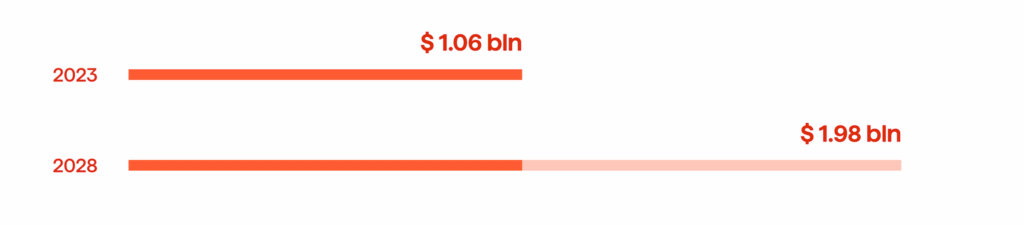
Blockchain technology enhances security and transparency in genomic data sharing, addressing critical issues of data privacy and integrity, while ensuring compatibility between research institutions sharing sensitive datasets. The technology ensures that genomic data is securely shared and reliably managed, fostering greater collaboration and trust in the research community.
- Data security. Blockchain provides secure and traceable data sharing, protecting genomic information from unauthorized access and tampering. This level of security is crucial for maintaining the confidentiality of sensitive genetic data.
- Transparency. By creating bullet-proof records of data transactions, blockchain ensures data integrity and trust among stakeholders. This transparency is vital for collaborative research efforts, as it guarantees that all data shared is accurate and unaltered, thereby enhancing the credibility and reproducibility of scientific findings.
The adoption of new technologies in genomic research, such as long-read sequencing and blockchain, is transforming the field by enhancing accuracy, security, and transparency. These advancements are paving the way for more precise and reliable genomic research.
Other trends in biotechnology
While we laid the groundwork for key biotech trends, there are some of them that were intentionally left behind. Namely, technologies like AI, bioinformatics, and blockchain prove to reshape biopharma at its core. Yet, the trends we present further are the ones that also have an impact. However, it is not as great as the one of AI, for instance.
So, let’s take a look at some emerging trends in biotech.
I. Drug repurposing
Drug repurposing finds new ways to use existing medicines to treat different diseases. For example, a drug originally for high blood pressure might be found to help with Alzheimer’s disease. This method is faster and cheaper because we already know the drug is safe.
Also, here are some notable advantages drug repurposing brings:
- Cost savings. Drug repurposing significantly reduces R&D costs by leveraging approved drugs with well-established safety and toxicity profiles. Thalidomide, initially developed for morning sickness, was repurposed to treat multiple myeloma.
- Accelerated discovery. By bypassing the early stages of drug development, which typically involve extensive testing for safety and toxicity, drug repurposing speeds up finding new treatments. The rapid repurposing of Remdesivir, initially developed for Ebola as a treatment for COVID-19, exemplifies how quickly new therapeutic applications can be identified and deployed.
Drug repurposing is a strategic approach to accelerate drug discovery and reduce costs. This method offers a faster and more economical pathway to treatment development by re-evaluating existing drugs for new therapeutic purposes.
II. Digital pathology
Digital pathology uses computer technology to combine images of tissue samples with molecular data. At the moment, the digital pathology market is attracting some significant investment (see Fig.10).
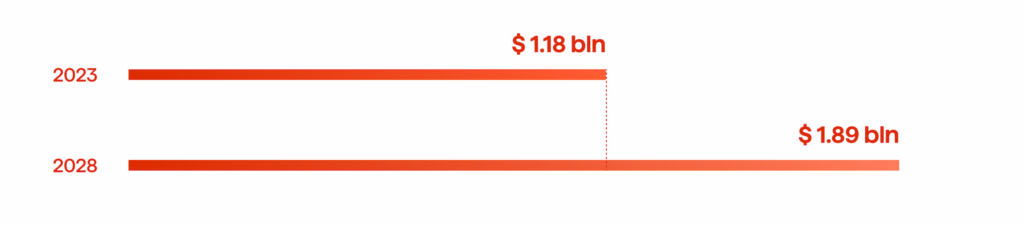
Digital pathology helps doctors analyze and diagnose diseases, like cancer, more accurately and quickly. In most cases, these are the approaches used:
- Automated analysis. Digital pathology uses AI and Machine Learning to analyze pathology images, and this automation improves both the accuracy and speed of diagnoses while boosting laboratory productivity.
- Data integration. This technology combines imaging and molecular data to analyze tissue samples comprehensively. An example is the integration of digital pathology with genomic data in platforms like Philips IntelliSite Pathology Solution, which allows for a more thorough examination of tissue samples, aiding in personalized treatment planning.
Digital pathology revolutionizes disease diagnosis and research with advanced imaging and data integration. By automating the analysis of pathology images and combining them with molecular data, digital pathology offers more accurate, efficient, and comprehensive diagnostic solutions.
III. Bioprinting and tissue engineering
Bioprinting and tissue engineering are emerging fields that create complex tissue structures using 3D printing technologies, with significant implications for human health, regenerative medicine, and organ transplantation (see Fig.11).
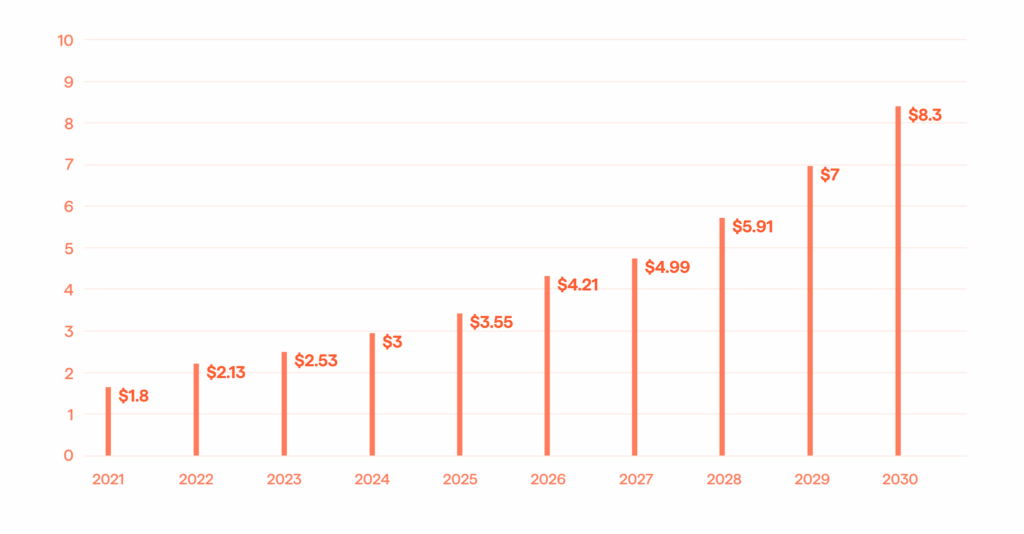
Essentially, bioprinting is all about these two aspects:
- Tissue fabrication. Bioprinting uses bio-inks and biomaterial scaffolds composed of living cells to create tissue structures layer by layer. This technology has been used to make skin grafts for burn victims and is being developed for more complex organs.
- Regenerative medicine. Tissue engineering seeks to regenerate damaged tissues and organs, providing potential treatments for conditions like heart disease and spinal cord injuries.
Bioprinting and tissue engineering are pushing the boundaries of regenerative medicine, offering innovative solutions for tissue repair and organ replacement.
IV. Personalized vaccines
Personalized vaccines, developed using individual genetic information, significantly advance immunotherapy. There is great demand within the personalized vaccines market (see Fig.12).
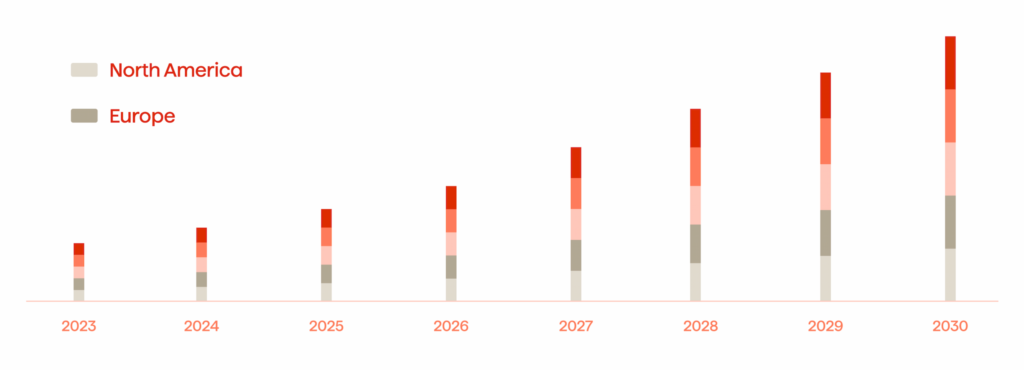
Personalized vaccines have the most promise in these areas:
- Cancer vaccines. Personalized cancer vaccines are designed to elicit a robust immune response against specific tumor antigens, often delivered through a viral vector engineered to carry tumor-specific genetic instructions.
- Infectious diseases. Personalized vaccines are also being explored for contagious diseases, where they can provide more effective protection by targeting specific pathogen variants.
Personalized vaccines represent a new frontier in immunotherapy, offering tailored treatments that improve efficacy and patient outcomes.
V. Synthetic biology
Synthetic biology integrates biology and engineering to design and create new biological components, devices, and systems. Scientists can design bacteria that produce medicine or clean up pollution. Today, synthetic biology powers a growing share of industrial biotechnology applications (see Fig.13).
At the moment, synthetic biology is widely used to access these particular industries (see Fig.13).
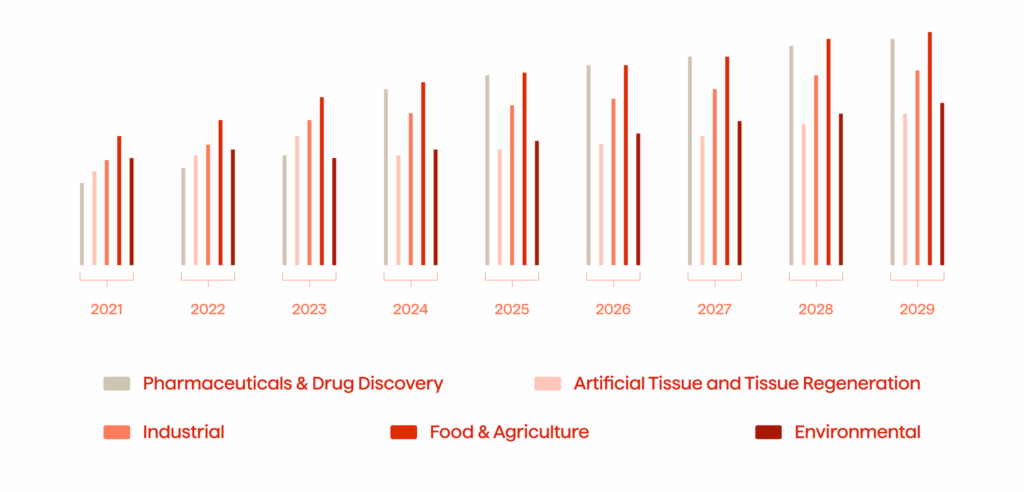
Synthetic biology can change various industries, including healthcare, agriculture, and energy. Here’s how:
- Custom organisms. Synthetic biology can create custom organisms with specific traits, such as bacteria optimized for fermentation that produce biofuels, or plants resistant to pests.
- Therapeutic applications. This technology is used to develop new therapies, such as synthetic probiotics that deliver drugs directly to the gut.
The biotechnology sector is advancing rapidly with emerging trends such as drug repurposing, digital pathology, bioprinting, personalized vaccines, and synthetic biology. These innovations are driving significant progress in drug discovery, disease diagnosis, and personalized medicine, offering new hope for improved healthcare solutions.
FAQ
Conclusion
Biopharma is at the forefront of technological innovation, leveraging AI, bioinformatics, and personalized medicine to drive progress. As we move forward to the second half of 2026, integrating these technologies continue reshaping biopharma, offering new possibilities for treatment and disease management.
The biotechnology sector is on the cusp of a transformative era, driven by groundbreaking technologies such as drug repurposing, digital pathology, gene editing, bioprinting, personalized vaccines, synthetic biology, and real-world evidence trials.
There is enough evidence and practical cases showing how theory turns into practice. Avenga is the company actively working with some of the technologies above.
Contact us to learn more about our services linked to biopharma.



Your business results matter
Achieve them with minimized risk through our bespoke innovation capabilities. Fill in the form below.