







AdTech trends to watch in 2027: the future of advertising technology


October 26, 2026 13 min read 1213 views
Global revenue from advertising reached $1.14 trillion in 2025, up 8.8%, according to WPP Media’s December 2025 forecast. Growth is real. So is the pressure on every team that buys, sells, and measures ads.
Three forces now set the agenda. Machine intelligence sits inside every workflow. Streaming video behaves like a performance channel. Privacy rules keep moving. This guide covers eight trends, backed by recent data, and shows how brands, publishers, and their engineering partners can act on each one.
Key takeaways
Eight key trends matter most this year. Six facts frame them, and all point to one rule: control your data, tools, and decisions.
- The market is large and still growing. WPP Media expects ad revenue growth of 7.1% in 2027 after 8.8% last year.
- Programmatic leads US digital. IAB and PwC report $162.4 billion in programmatic revenue last year, up 20.5%.
- Connected TV outgrows linear TV. IAB’s outlook expects CTV spend to rise 13.8% while linear TV falls 1.7%.
- Agents enter the buying workflow. Two-thirds of buyers focus on agentic AI for buying and campaign execution, and Gartner expects 60% of brands to use it for one-to-one interactions by 2028.
- Cookies stay, trust still decides. Chrome keeps cookies after all, yet consented data remains the safer base for planning.
- Control beats tool count. Teams that own their data and understand every tool in the chain can explain every decision it makes.
What is AdTech and what does it stand for?
AdTech stands for advertising technology. It is the software and data that buy, sell, deliver, and measure digital ads.
An advertiser uses a demand-side platform to bid for ad inventory. A publisher uses a supply-side platform to sell that ad supply. Ad servers deliver the creative and record each impression. An algorithm makes most of these choices in milliseconds, and every intermediary in the chain adds data, fees, and risk.
| Component | What it does | Question it answers |
| Demand-side platform | Buys ad placements for advertisers | Which audience should we bid on? |
| Supply-side platform | Sells inventory for publishers | Who pays most for this slot? |
| Ad exchange | Runs auctions between buyers and sellers | Which bid wins? |
| CDP | Unifies audience records from every channel | Who is this person across channels? |
| Verification and measurement | Checks fraud, brand safety, and viewability | Did a real person see the ad? |
Vendors such as DoubleVerify handle verification, and IAB Tech Lab publishes the standards that keep this advertising ecosystem interoperable. The rest of this guide shows how each part of the advertising landscape is changing.
Programmatic advertising forecast: how big is the market?
Programmatic advertising is now the main way digital ads are bought. IAB and PwC report that US programmatic revenue reached $162.4 billion in 2025, up 20.5%.
| US revenue line, 2025 | Revenue | Growth |
| All digital ad revenue | $294.6 billion | 13.9% |
| Programmatic | $162.4 billion | 20.5% |
| Search | $114.2 billion | 11.0% |
| Display | $81.6 billion | 9.8% |
| Digital video | $78.0 billion | 25.4% |
| Commerce media | $63.4 billion | 18.0% |
Programmatic overlaps with the other lines. It describes how ads are bought, not which format they take.
The growth outlook is strong. IAB’s January outlook expects total US ad spend to rise 9.5% in 2027, with connected TV up 13.8% and commerce media up 12.1%. WPP Media adds a global view. It projects commerce advertising at $178.2 billion for the year, ahead of total TV ad revenue for the first time.
The lesson is simple. Money moves toward channels that offer data, speed, and measurable results.
What are the top AdTech trends shaping the industry in 2027?
The top trends are AI-driven relevance, connected TV growth, owned tech stacks, privacy-first data, cross-channel planning, creative automation, out-of-home formats, and sustainable practice. Each one changes who controls data, creative, and spend.
- Relevance at scale through automation.
- Video advertising and CTV growth.
- Owning the tech stack.
- Privacy-first marketing built on consented data.
- Cross-channel integration across search, social, and streaming.
- Dynamic creative with generative tools.
- Out-of-home, audio, and new ad formats.
- Sustainability and inclusivity in advertising.
AI and machine learning for personalization at scale
Models now decide who sees which ad, when, and in what format. At scale, this means adapting messages to millions of people without writing millions of ads by hand.
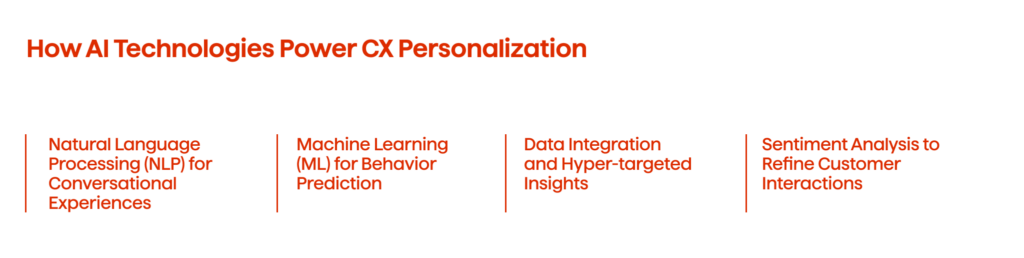
The shift is visible in budgets. IAB found that five of the six areas where buyers plan to focus more are directly tied to AI. Two-thirds of buyers are focused on agentic AI for ad buying and campaign execution. Gartner predicts that 60% of brands will use agentic AI for one-to-one interactions by 2028.
Trust sets the limit. In the same Gartner research, 78% of consumers said labeling AI-generated content is very or most important for trust. Teams should label AI-powered ad creative, log every automated decision, and keep a person in charge of ad targeting rules.
Start small. Pick one journey, define the target audience, connect the product feed, set guardrails, and let models test variants in real-time. Then widen the scope, ideally with AI services that include governance from day one.
The result is better relevance with fewer manual steps, as long as governance keeps pace.
Video advertising and CTV growth
Connected TV is the fastest-growing screen for advertisers. IAB expects connected TV spend to rise 13.8% this year, while linear TV declines 1.7%. IAB and PwC also report $78 billion in US digital video revenue last year, up 25.4%.
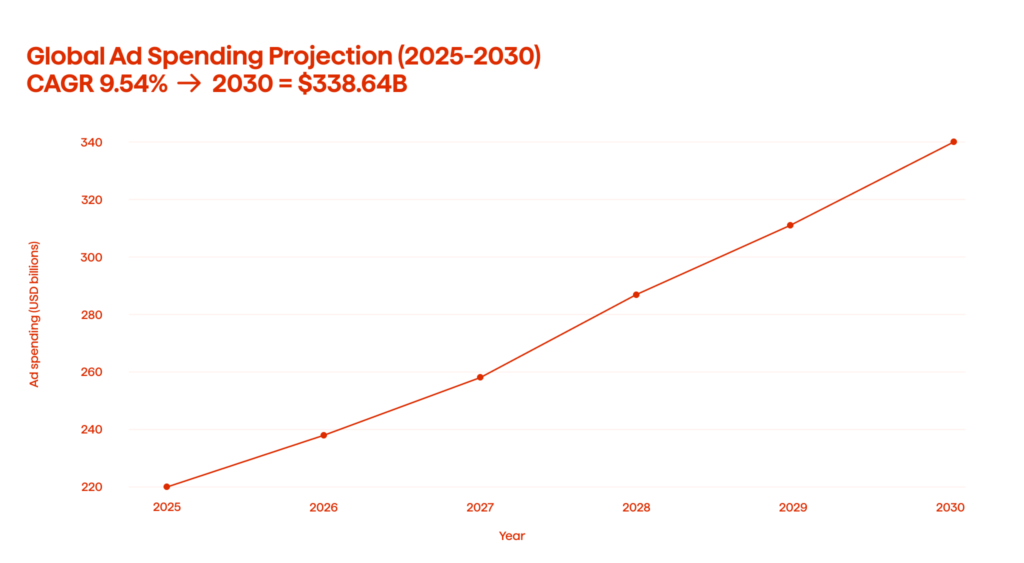
CTV advertising combines the reach of television with the targeting of digital. It also brings new formats, such as shoppable video and QR codes, that link a viewing moment to a purchase.
The challenge is data. Streaming and other digital media platforms hold rich viewer data, yet each platform measures reach in its own way. Buyers need clean identity, shared definitions, and cross-platform measurement. Publishers that expose consistent signals will win more budget. Engineering teams in the media and entertainment sector are already rebuilding ad delivery and measurement pipelines for this reason.
Premium reach and precise buying now sit on the same screen.
Owning the tech stack
Owning the tech stack means a brand or publisher controls the data, logic, and integrations behind its advertising instead of renting every layer. More ad sales teams and in-house marketing groups are moving this way to cut fees and gain speed.
The reasons are practical. External platforms limit access to raw data. Fee layers shrink working budgets. Custom logic, such as bespoke bidding rules or supply-path filters, cannot live in a generic tool. AdTech development gives teams control over all three.
Building everything is not the goal. Strong teams buy commodity parts and build the pieces that create a difference, such as identity, bidding logic, and measurement. That mix needs careful product engineering, clear ownership, and a view of total cost. Many vendors and tech providers now offer modular components that make this mix easier. Ad tech buyers should ask for open APIs and clean data exports.
The advertisers who win this year will not be the ones with the most tools. They will be the ones who own their data, know what each tool does, and can explain every decision it makes.
Pedro Carrascosa, Director of Business Development, Avenga
Control turns a tool list into a capability that the business can govern.
Privacy-first marketing and first-party data
Privacy-first marketing builds audiences on consented data, because rules and browsers keep changing. Google abandoned its plan to remove third-party cookies from Chrome in April 2025, and Chrome serves over two-thirds of internet users worldwide.
The cookie decision removed a deadline, not the risk. New standards on consent, data sharing, and AI transparency keep arriving. Teams that depend on a single identifier stay exposed.
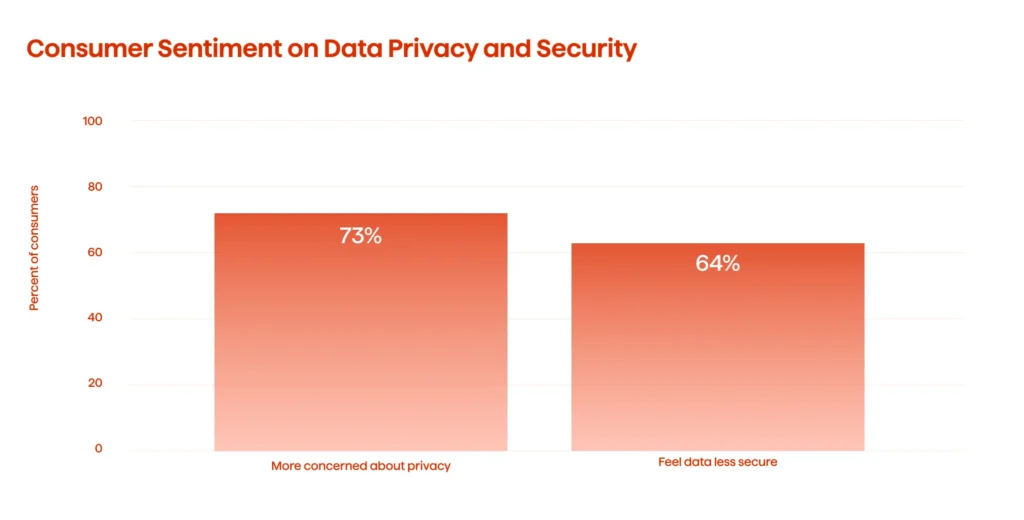
A durable approach uses five building blocks:
- Consent management that records every choice.
- Clean rooms that match records without exposing raw data.
- Server-side conversion tracking for stable measurement.
- Contextual advertising that targets the page and moment, not the person.
- Strong data services that keep records accurate and access controlled.
Privacy and performance are no longer opposites. Clean, consented data gives better results.
Cross-channel and omnichannel marketing integration
Cross-channel integration connects search, social, streaming, retail media, and owned channels in one plan, so each channel supports the others. A single view also shows which touchpoint deserves credit.
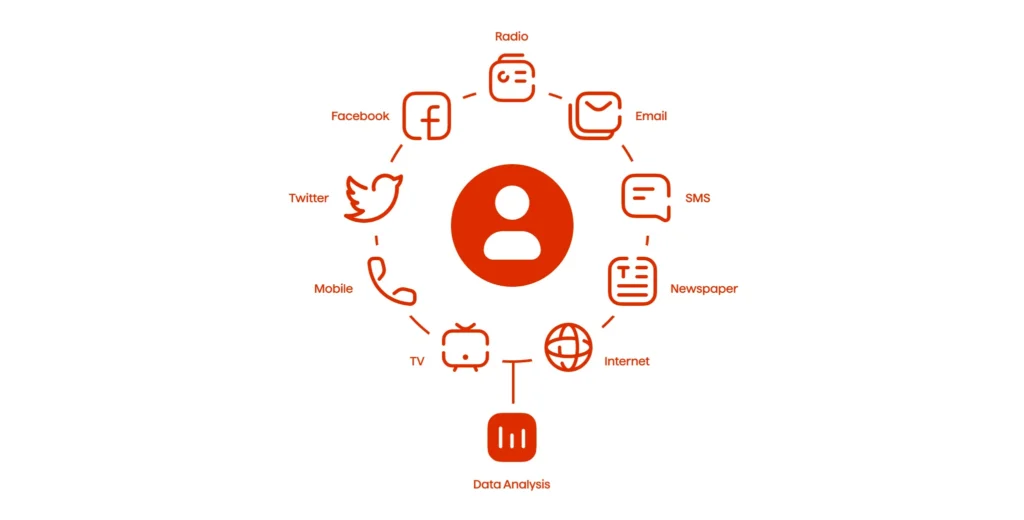
Buyers are acting on this. IAB reports that cross-platform measurement rose to 72% from 64% a year earlier. Repeat purchase is now the stated goal for 25% of buyers, up from 13% across the industry in 2024. Retail media and other commerce media networks sit at the center of that shift, because they link ads to purchases.
Three steps make integration real. Align advertising strategies on one audience definition across channels. Use one measurement model. Review ad performance weekly, not quarterly.
Integration turns separate campaigns into one customer story.
Need a partner for advertising and marketing platforms, data pipelines, or custom integrations?
Dynamic creative optimization (DCO)
DCO assembles ad variants automatically from approved parts, such as headlines, images, and offers, and tests them in real-time. It replaces slow, manual production cycles.
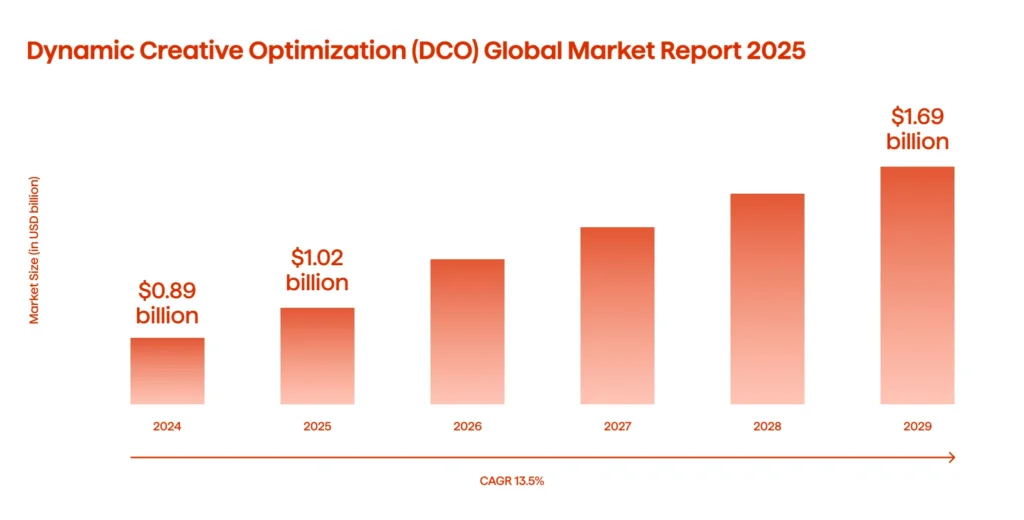
Generative tools widen the range. A model can draft headlines, resize images, and localize ad content in minutes. Control matters more, though. IAB found that 38% of buyers name understanding generative AI as a major challenge, up 14 points from 2024. Brand rules, legal review, and clear approval paths keep speed from becoming risk.
Good practice is simple. Define the building blocks, set rules for what may change, and measure results against business goals, not clicks alone. Generative AI works best inside that frame.
The reward is relevant advertising content at the pace of the market.
Programmatic DOOH, audio, and immersive ad experiences
Screens and sound in the physical world now join the programmatic stack. Buyers can book digital out-of-home screens with the same data and rules as online ad campaigns.
Audio is growing as well. IAB and PwC report US podcast ad revenue of $2.9 billion last year, up 17.6%. Voice-activated advertising and in-game placements are early but real, and immersive formats give brands new ways to appear inside content instead of next to it.
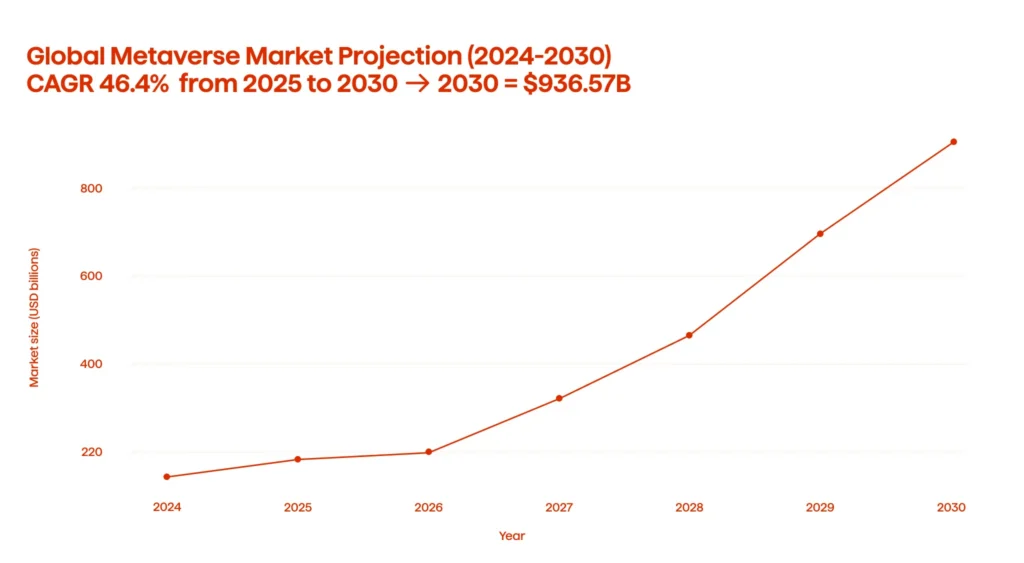
These channels need the same discipline as any other. Marketers should confirm measurement, brand safety, and frequency control before scaling.
The common thread is simple: every screen becomes addressable.
Sustainability and inclusivity in digital advertising
Sustainability and inclusivity are moving from slogans to buying criteria. Long supply chains burn energy and waste budget, and creative that ignores audiences loses them.
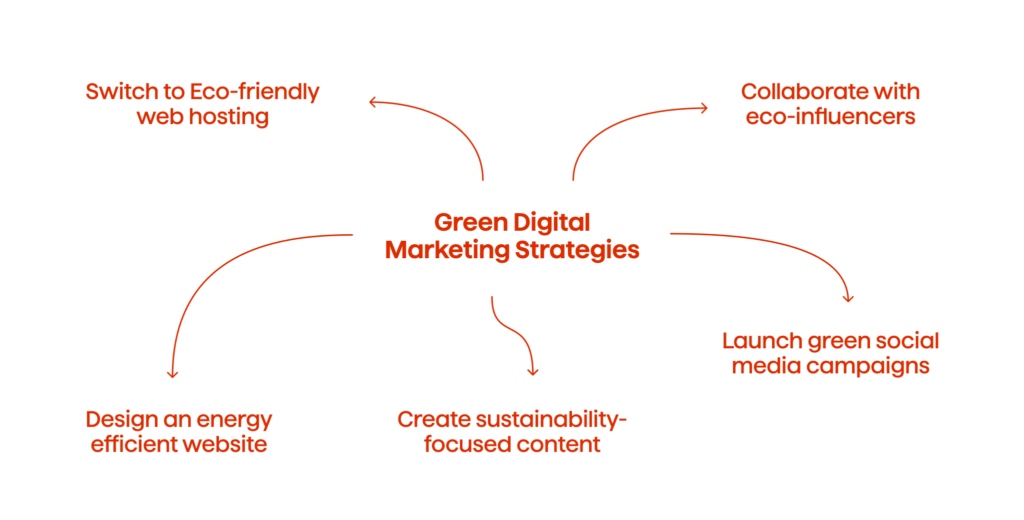
Teams can act on both. Cut duplicate bid requests and unused supply paths to lower waste. Review creative and targeting rules for bias. Report both results next to reach and cost.
Claims need evidence. Measure what you can and state what you cannot.
Responsible practice builds trust, and trust supports performance.
How AdTech and MarTech work together
The ad stack reaches audiences, and MarTech manages the relationship with the people it reaches. Together they form one loop from first impression to repeat purchase.
The shared layer is data. Customer data platforms, analytics, and identity services feed both sides. Marketing teams plan digital marketing journeys in MarTech, then the ad stack buys the media that supports them. Volumes of data grow every year, so quality and governance matter more than collection.
Three connections pay off first:
- Audience data flows from MarTech into media buying and selling, with consent attached.
- Results flow back from ad platforms into campaign planning within hours.
- One team owns the definitions for audience, conversion, and revenue.
When both stacks share data and rules, marketing strategies stop competing with media plans.
How to prepare: a six-step plan for the advertising industry
Preparing for these trends takes six steps, in order. Each one lowers risk before the next adds speed.
- Audit the stack. List every tool, data flow, and contract in the advertising process.
- Fix consent and identity. Build on consented data and clear permissions.
- Set AI rules. Decide what automated tools may change, and who reviews it.
- Unify measurement. Use one model across streaming, search, social, and retail media.
- Test creative at speed. Run DCO pilots on one product line first.
- Optimize ad spending. Shift advertising budgets to the channels that prove their results.
Teams that follow this order avoid the common trap of buying new tools before fixing the data under them.
FAQ
Conclusion: own your data, your stack, and your decisions
The key AdTech trends in this guide share one thread. Control. Brands that govern their data, understand their tools, and measure across channels adapt faster when platforms, rules, or audiences change.
AI, streaming video, and privacy-first data are shaping the future of AdTech, and the winners will treat them as business decisions, not tool upgrades. Start with the data, then add automation, then scale. Avenga helps teams build that path with engineering and governance built in.



Your business results matter
Achieve them with minimized risk through our bespoke innovation capabilities. Fill in the form below.