






The good, the bad, and the ugly of native advertising


July 22, 2026 10 min read 477 views
As audiences become less responsive to traditional online ads, publishers and advertisers are looking for new ways to capture attention without disrupting the user experience. Native advertising has emerged as one of the fastest-growing digital advertising formats, with the global native advertising market estimated at over $100 billion in 2024 and expected to continue expanding as brands invest in more content-driven, less intrusive ad experiences.
This guide explores how native advertising works, the main formats used by publishers and advertisers, its benefits, and the challenges surrounding this approach — including transparency and ethical considerations.
Online advertising for publishers
The main way for a publisher to make money with its online content is through digital advertising. This business model extends from news and blog sites to social networks.
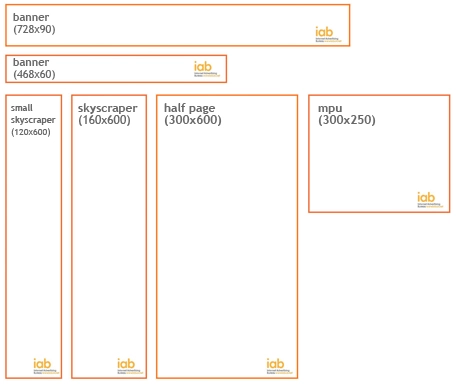
Traditionally, online advertisements consist of a range of banner ads, square ads, and vertical ads (skyscrapers).
However, over the years, consumers have become more aware of these types of ads, leading to a massive decrease in user engagement. In fact, the average click-through rate (CTR) is a measly 0.06%. This equates to less than one click per 1000 impressions, and that includes bots and accidental clicks (where a user unintentionally clicks on the ad).
For publishers, the problem is that as the effectiveness of banner ads falls, so, too, does the cost per mille (CPM), resulting in fewer revenue opportunities.
One of the main causes of such low CTR is a phenomenon known as banner blindness, which states website visitors consciously or subconsciously ignore banner-like information. This theory is backed up by a number of usability and view tests:
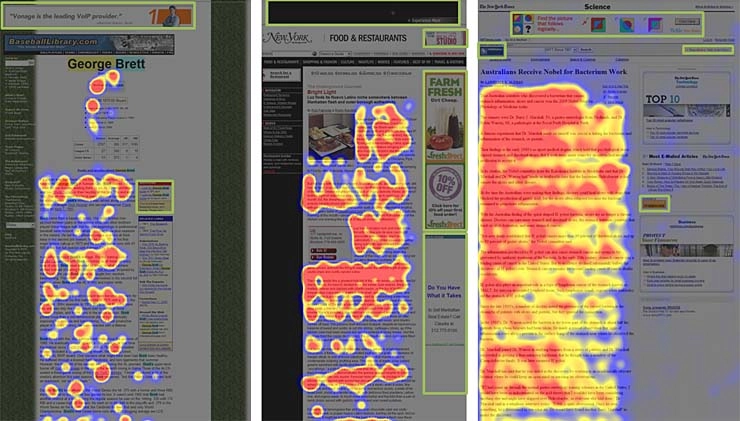
As traditional display advertising becomes less effective, publishers are increasingly adopting alternative formats that drive higher engagement and generate more sustainable advertising revenue. One of the most widely used approaches is native advertising.
What is native advertising?
Native advertising is a type of digital advertising that matches the look, feel, and function of the platform where it appears. Unlike traditional display ads, native ads blend into the surrounding content, creating a less disruptive experience while remaining clearly labeled as sponsored or promoted content.
To feel natural within the user experience, native ads should match both the form and function of the platform:
- Form: Matches the visual design of the website and looks like natural content.
- Function: Behaves in the same way as the website’s user experience and functions just like natural content.
Examples of native advertising
In short, a native ad is not supposed to look like an ad. So now, instead of seeing a traditional banner ad like this,

users will see a native ads located in between organic content:

What are the main native ad formats?
Native ads appear across a wide range of digital platforms, including news websites, search engines, social media, streaming services, and e-commerce marketplaces. While implementations vary across platforms, most native ads fall into the following common formats:
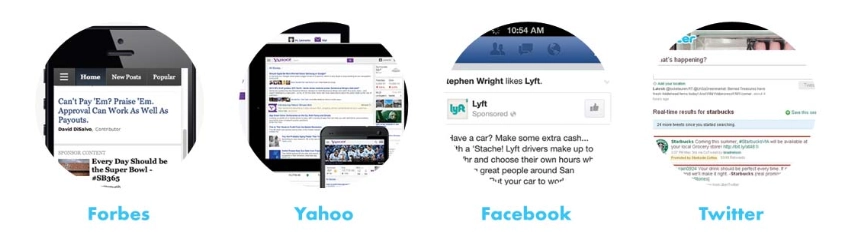
In-feed native ads: In-feed/social native ads appear on social media sites. Facebook, Twitter, LinkedIn, and more recently, Pinterest, are all displaying native ads to their users.
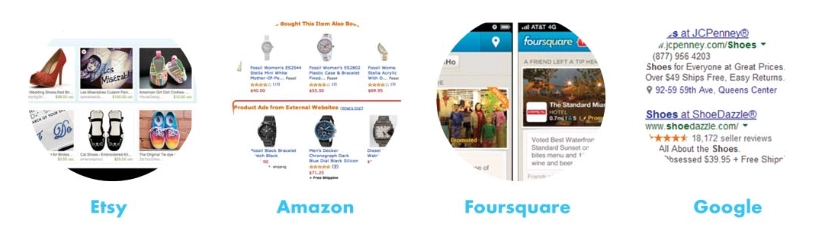
Paid search: The very first time a native ad appeared on the Internet was when Google launched AdWords and started displaying ads at the top of organic search results. Previous to that, adverts appeared on the right-hand side of Google search queries, which made them easy to recognize as ads.
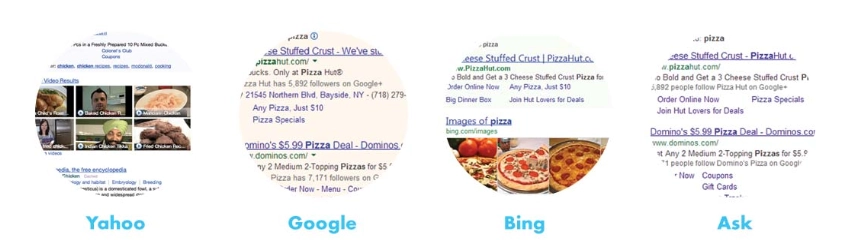
The paid ads at the top of the search results look and feel like part of the search query.
Recommended content (aka recommendation widgets): This form of native advertising is probably the most subtle. You may have glanced over this type before and presumed that it is actually content from the website you’re reading. However, the telltale sign is the message above the ads, usually written as From the web, or Recommended for you.
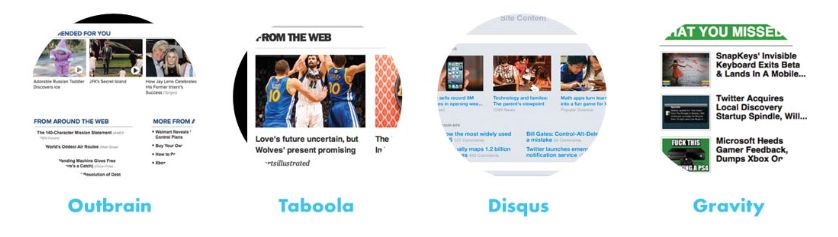
As this type of native advertising appears on content-rich sites, the chances of a user clicking on them is considerably higher.
Another form of recommended content is paid inclusion (sponsored content/advertorial). This form of native advertising involves companies paying to show their content on a website, like a news site or blog, and is displayed just like the other forms of content on the site.
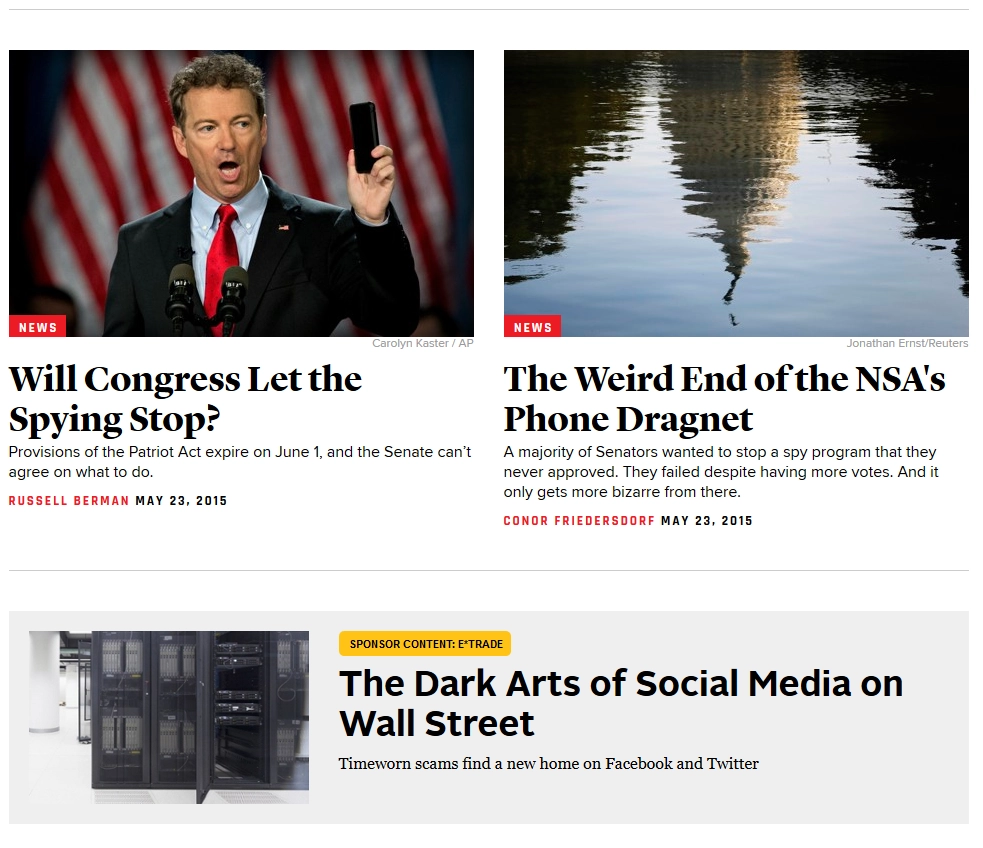
The article at the bottom is an example of sponsored content. When the visitor clicks on the article, they are usually presented with the content and displayed an ad asking them to take some sort of action, such as visit the advertiser’s site or even purchase a product.
Promoted listing: Examples of promoted listings can be found on e-commerce sites like Amazon. They work in a similar way to paid search, where an advertiser pays to have its products listed next to similar products.
In-ad with native elements: This type of ad is displayed just like a normal ad, but the content within it is contextually relevant to the rest of the website.
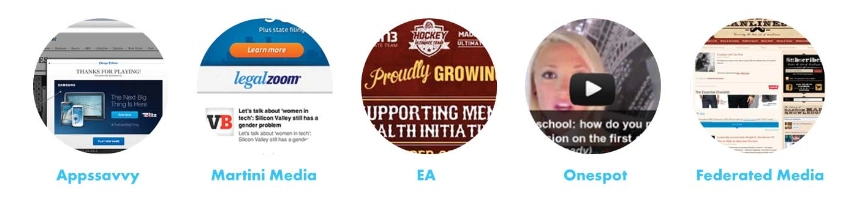
Custom: While the examples above have specific characteristics, custom native advertising doesn’t. Therefore, a custom native ad is an ad that doesn’t fit into one of the categories above, but is still considered a native ad due to its behavior. Custom ads are usually the result of a joint effort between the publisher and advertiser.
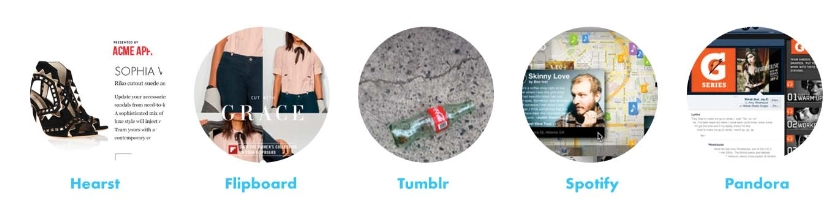
Is native advertising effective?
Compared to traditional display advertising, native advertising is generally more effective at capturing attention and encouraging engagement because it aligns with the surrounding content and user experience. Recent research continues to support this advantage.
- A 2025 eye-tracking study found that native formats such as in-feed ads, recommendation widgets, and promoted listings attracted significantly more user attention and engagement than traditional banner ads, while banner ads continued to suffer from banner blindness.
- Research presented by Brand Metrics, based on 2,000 native advertising campaigns and more than 500,000 survey responses, found that native campaigns generated an average brand lift of 20.6%, compared to 10% for display advertising.
Native advertising performs well because it integrates naturally with the platform where it appears, making it less disruptive than traditional display advertising while remaining relevant to the surrounding content. However, maintaining transparency through clear sponsorship disclosures remains essential for building user trust.
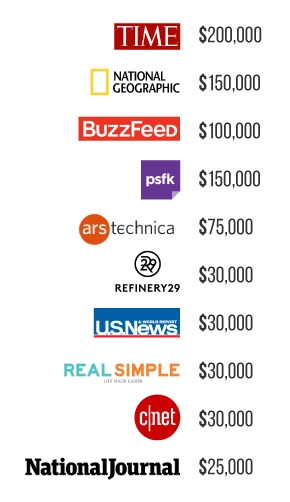
Due to the increased effectiveness of native advertising, many publishers are setting a minimum spend on this type of campaign for brands:
The controversy surrounding native advertising
Native advertising can improve engagement, but it also raises important questions about transparency and editorial independence. Because native ads are designed to resemble surrounding content, publishers and advertisers must clearly distinguish sponsored content from editorial material to maintain audience trust.
One of the biggest concerns is that readers may mistake sponsored content for independent editorial content. Research shows that consumers can still struggle to recognize native advertising, even when disclosure labels are present, highlighting the importance of clear and prominent labeling.
Another long-standing concern is the separation between editorial content and commercial interests. In journalism, this principle refers to keeping editorial decisions independent from advertising and other business activities, helping publishers maintain credibility and public trust.
One of the best-known examples involved The Atlantic, which published a sponsored article praising Scientology leader David Miscavige. The piece sparked widespread criticism because many readers felt the content blurred the line between advertising and editorial coverage, making it a landmark example in debates about native advertising ethics.
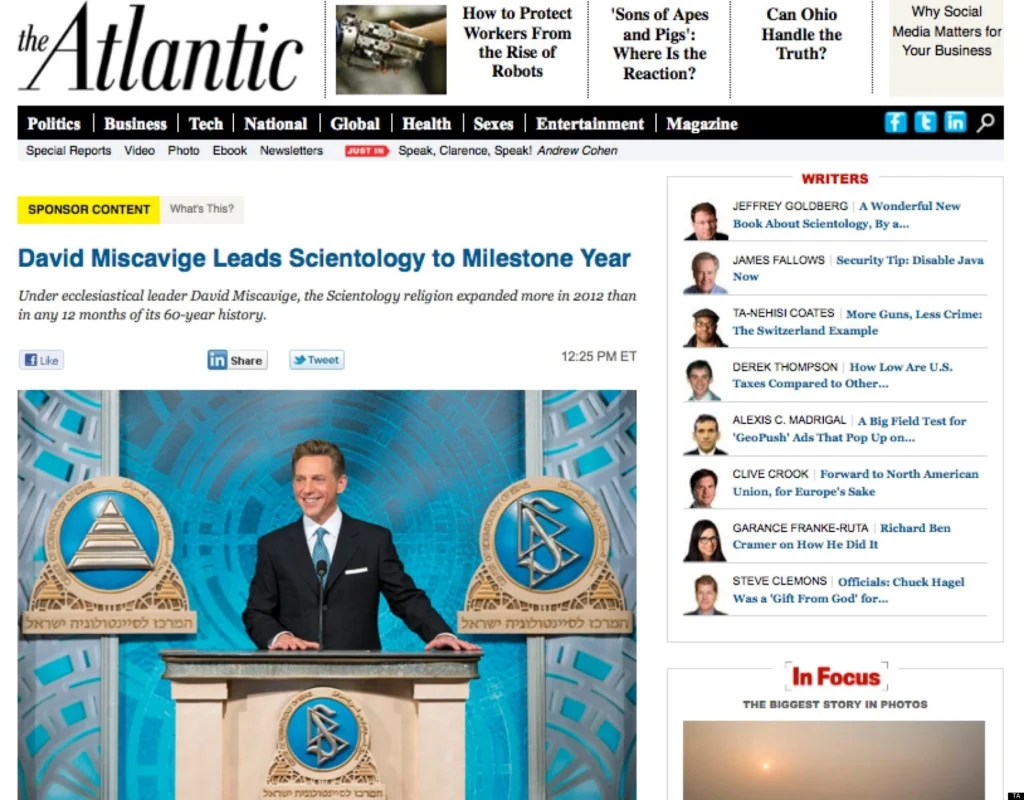
As you can imagine, this caused a whirl of controversy and essentially gave rise to the whole church-state separation debate.
The Atlantic, just like many other major content sites, still incorporates native advertising on its website and has even created a separate team within the organization to handle native advertisements, thus fueling the controversy even more.
FAQ
The future of native advertising
Whether you agree with native advertising or not, the fact remains – it is here to stay. Why? Because websites, apps, and social networks that have already rolled out their native advertising campaigns are seeing a real increase in advertising revenue. And while the move to native advertising is proving fruitful for many news and content sites, its real potential lies in other untapped industries, such as gaming and virtual reality, and the real test there will be to see how advertisers are able to “disguise” their ads in these uncharted mediums.
Our AdTech development teams can work with you to design, build, and maintain a custom-built AdTech platform for any programmatic advertising channel. Learn more.



Your business results matter
Achieve them with minimized risk through our bespoke innovation capabilities. Fill in the form below.