



8 MarTech and AdTech trends to watch in 2026


February 6, 2026 13 min read
The way brands connect with audiences is changing faster than ever — if you don’t adapt, you risk falling behind. The intersection of AdTech and MarTech is where cutting-edge strategies and innovations come into play, directly impacting how effectively you engage with your target audience. Leveraging AdTech solutions has become a cornerstone of today’s digital landscape, especially as the digital advertising space continues to accelerate with AI..
In this article, we examine the key trends expected to shape the industry in 2026. Understanding these trends will enable you to adapt and capitalize on the opportunities they present, ensuring your brand remains competitive and aligned with the future of marketing and new advertising technology.
Key takeaways
- AI (including agentic) combines AdTech and MarTech for predictive personalization and optimized, real-time execution.
- The next wave of scalable growth is driven by video/CTV and shoppable, interactive formats.
- Privacy-first wins: first-party data, consented APIs, and transparent measurement are a replacement for third-party cookies.
- Creative becomes performance — DCO, inclusive storytelling, and cues for sustainability drive engagement and AR/metaverse provides incremental audience reach.
- Owing your AdTech stack becomes even more than a trend but a need.
AI and machine learning for personalization
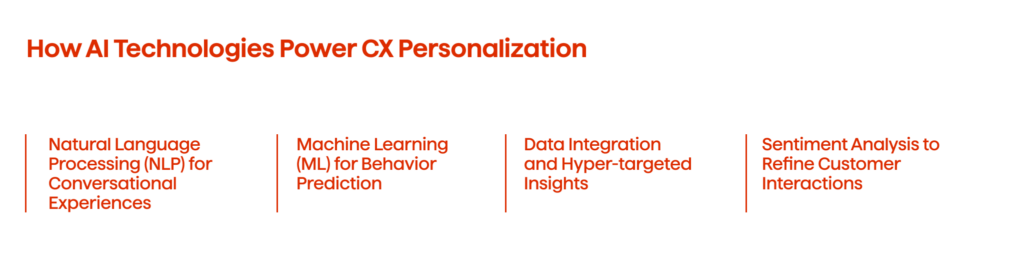
The role of AI and machine learning in marketing and advertising is already significant, but in 2026, it will become even more pivotal. A recent 2025 study found that 92% of business leaders say they use AI-driven personalization strategies to drive growth. Thanks to predictive analytics — a key AdTech trend shaping the industry — brands can now anticipate customer behaviors in real time, leading to more effective targeted advertising and improved data protection.
MarTech
In marketing technology, AI will continue to revolutionize personalization by processing ever-larger datasets to provide more nuanced and targeted marketing strategies. In 2026, AI-driven personalization will evolve beyond simple data analysis to predictive analytics, enabling the real-time anticipation of customer needs and behaviors. This evolution will allow brands to deliver even more relevant, highly individualized experiences that are seamless and engaging. AI-powered automation will further streamline customer journeys, making marketing interactions more efficient and personalized than ever before.
AdTech
For the advertising technology industry, the evolution of AI will push programmatic advertising to new heights. AI will enhance the precision of hyper-targeted, real-time ad placements, ensuring that ads reach the right audiences with greater accuracy and at optimal moments. In 2026, AI-powered algorithms will be even more effective at refining ad placements, optimizing budgets, and enhancing ROI, thereby fundamentally reshaping how advertisers approach ad campaign strategies.
Video advertising and CTV growth
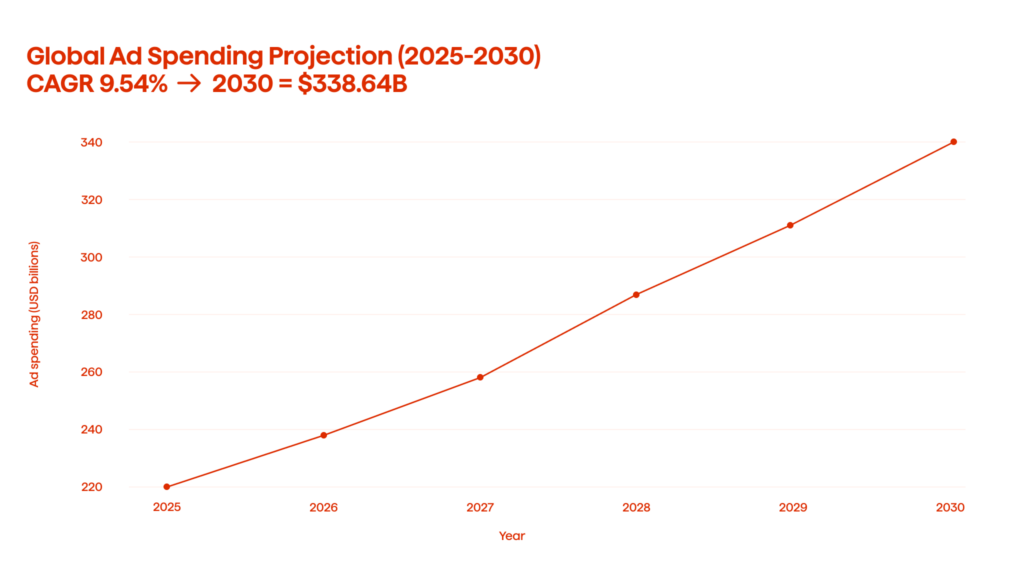
As digital media consumption continues to shift, video and CTV advertising are becoming increasingly vital components of the advertising ecosystem. As digital media consumption continues to shift, video and CTV advertising are becoming increasingly crucial components of the advertising ecosystem. Streaming platforms, including Netflix, Hulu, Amazon Prime Video, and YouTube, as well as smart TV apps and on-demand services, are driving this transformation. The growing prominence of these platforms is underscored by compelling statistics: ad spending is expected to show an annual growth rate (CAGR 2025-2030) of 9.54%, resulting in a projected market volume of US$338.64 billion by 2030.
MarTech
The focus in marketing technology is shifting towards short-form, interactive, and shoppable videos. These video formats are gaining popularity because they provide more engaging and dynamic user experiences. Interactive videos drive user participation, boosting brand engagement, while shoppable videos simplify the purchasing process by integrating direct purchase options, ultimately improving conversion rates and fine-tuning the customer journey.
AdTech
In the AdTech space, CTV advertising will play an even more central role. Programmatic CTV ad spending is projected to rise by 25% in 2025, making connected TV a dominant platform for precise and scalable advertising. With more consumers opting for streaming services and ad-supported video content, brands will need to refine their CTV strategies to ensure they’re reaching the right audience with contextually relevant and impactful ads.
Owning the tech stack
A major shift is underway in digital advertising: organisations are moving away from opaque, high-fee third-party platforms and toward owning key parts of their AdTech infrastructure. Driven by stricter privacy regulations, the deprecation of third-party cookies, AI acceleration, and frustration with walled gardens, 2026 is shaping up to be the year of the “Custom AdTech Renaissance.” Instead of outsourcing their monetisation logic, more companies are choosing to build and control the essential layers — data, decisioning, delivery, and measurement — gaining transparency, flexibility, and long-term independence.
MarTech
For marketers, having access to owned or semi-owned AdTech infrastructure means better integration with MarTech systems, cleaner data flows, and more precise, privacy-safe activation. Customer data platforms, clean rooms, CRM systems, and AI-powered personalisation tools can all connect more seamlessly when organisations control the pipes rather than renting them.
AdTech
For AdTech players, this trend represents a fundamental rebalancing of power. Owning the stack gives publishers and brands full visibility into how audiences are valued, how spending is allocated, and how performance is measured.

Eager to learn in more detail why owing your AdTech stack will be crucial in 2026? Dive deep into Pedro’s dedicated article on The Drum.
Privacy-first marketing strategies
Privacy concerns are increasingly shaping the adTech and marTech sectors, making privacy-first strategies a crucial trend for 2026. Current data reveals that 73% of consumers are more concerned about their data privacy now compared to a few years ago, and 64% feel their data is less secure today.
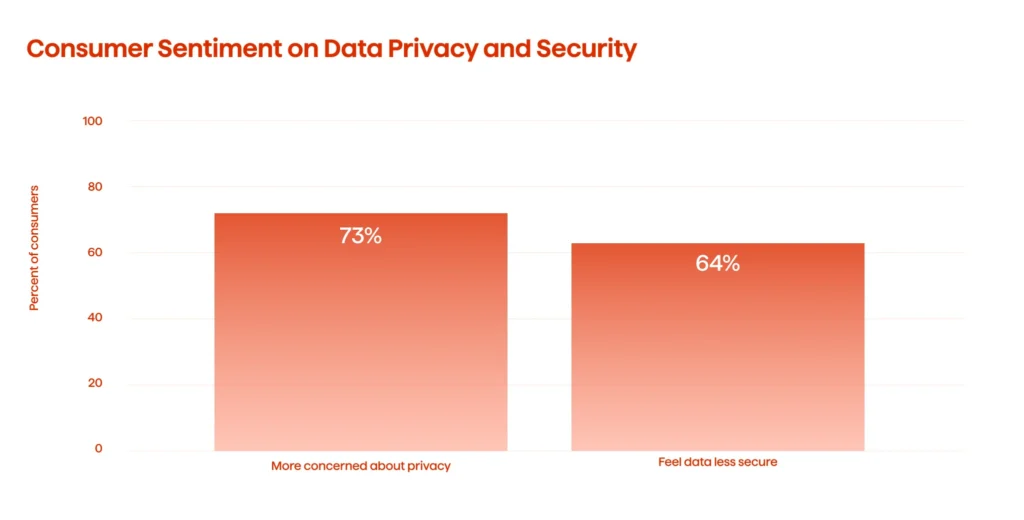
This growing unease underscores the importance of transparency, especially in relation to targeted advertising and personalized ads. While 65% of respondents acknowledge that excessive cookie use raises privacy concerns, 60% are still willing to share more data for customized benefits. This tension highlights the need for brands to adopt privacy-centric approaches to maintain consumer trust and loyalty as the market evolves.
MarTech
In 2025, the marketing technology industry continues to grapple with privacy regulations. Google’s latest move involves introducing a feature that lets users manage their tracking preferences across their web browsing, replacing the previously planned phase-out of third-party cookies. Despite this, there is an ongoing emphasis on leveraging first-party data and implementing consent-based strategies to enhance data protection and build consumer trust. Marketing technology trends such as improved data protection measures and transparent data collection practices remain essential for effective marketing.
AdTech
In the AdTech sector, transparency in ad transactions is becoming increasingly important. Emerging technologies, such as blockchain, are being explored to enhance transparency and security in digital advertising. These innovations provide solutions for tracking and verifying ad impressions and data exchanges, which help build trust with consumers and address issues such as ad fraud. As the market continues to embrace privacy-focused solutions, both advertisers and publishers must adapt to these AadTech trends 2026 to maintain credibility and effectiveness in their campaigns.
With privacy-first strategies gaining prominence, aligning with evolving consumer expectations and regulatory demands will be crucial for success in both MarTech and AdTech. Embracing these new advertising technology trends will be essential for establishing trust and ensuring the effectiveness of marketing and advertising efforts.
Cross-channel marketing integration
As digital marketing evolves, cross-channel marketing integration is becoming essential for creating seamless customer experiences. A recent study found that companies achieving omnichannel personalization can increase revenue by 5-15% across their entire customer base. This reflects the growing emphasis on delivering consistent, unified interactions across multiple touchpoints, whether physical or digital.
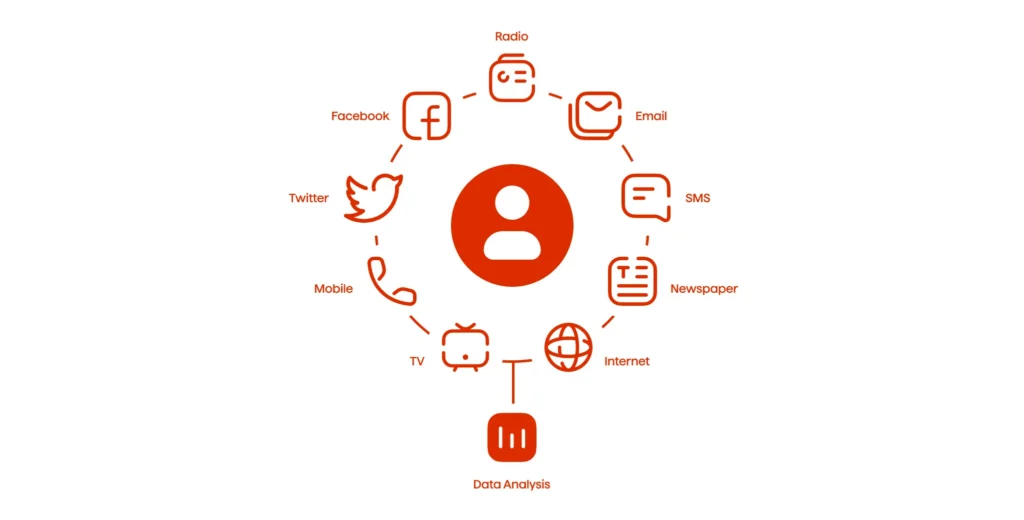
As consumers increasingly expect seamless transitions between platforms, marketers need to unify their strategies to deepen engagement and meet these rising expectations.
MarTech
Marketing technology is increasingly centered around seamless cross-channel integration. The ability to deliver a unified experience across various marketing channels — such as email, social media, and display — is essential for enhancing customer engagement and satisfaction. Customer data platforms (CDPs) and integrated marketing automation tools are emerging to support these efforts. By leveraging these technologies, marketers can create a more cohesive and personalized experience that aligns with user preferences and behaviors.
AdTech
In AdTech, cross-channel marketing will become essential for delivering consistent and impactful ads across various devices and platforms. Programmatic advertising will continue to evolve, enabling more precise targeting across various channels. The ability to coordinate campaigns across multiple touchpoints ensures that ads reach users where and when they are most receptive, thereby improving campaign effectiveness and maximizing return on investment.
Dynamic creative optimization (DCO)
The exponential rise of dynamic creative optimization (DCO) represents a significant shift towards delivering personalized and engaging content. Digital advertising campaigns leveraging DCO are seeing substantial improvements in engagement compared to static ads, and this trend is anticipated to continue growing. This development highlights the growing need to refine digital content for more targeted audience engagement.
MarTech
DCO technology is transforming how marketers tailor their messaging. By dynamically adjusting content in real-time based on user preferences and behaviors, brands can offer highly relevant experiences.
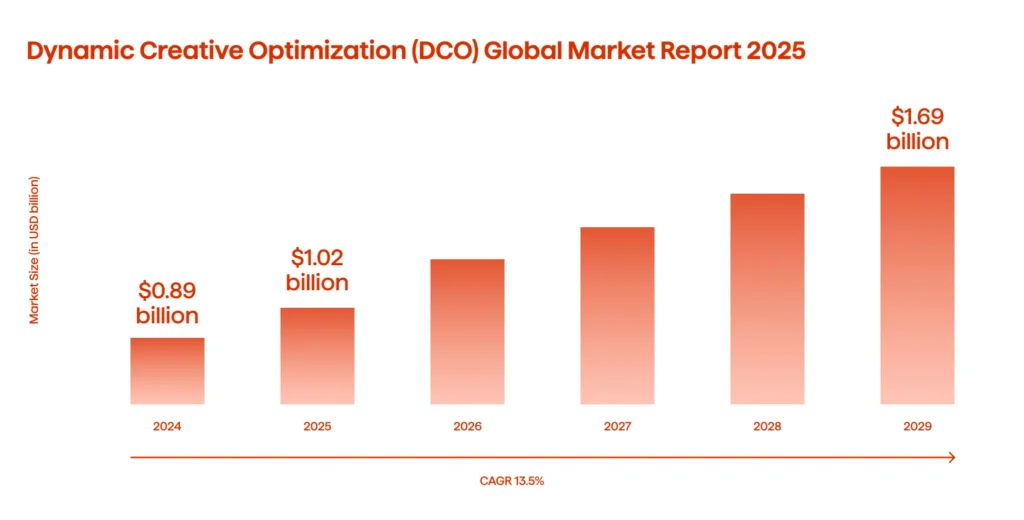
This personalized approach drives higher engagement, fosters stronger connections with consumers, and boosts conversion rates. Implementing dynamic creative optimization into marketing strategies is becoming increasingly essential for meeting customer expectations of personalized interactions and staying competitive in a crowded market.
Whether you’re starting from scratch or scaling what’s already there, we define and build what helps your advertising and marketing tech perform at its best.
AdTech
In the AdTech landscape, DCO is revolutionizing ad performance by enabling advertisers to modify creatives in real-time, guided by live data. This capability allows for more accurate targeting and stronger engagement, ultimately leading to higher conversion rates. As advertisers increasingly incorporate DCO into programmatic advertising, the ability to deliver dynamic, contextually relevant ads will be a key driver of campaign success and improved ROI.
The growing demand for dynamic, personalized content makes DCO a vital tool for all marketing professionals. Getting in front of this shift will enable brands to strengthen audience interaction, fine-tune targeting, and achieve superior results in their digital marketing efforts.
Sustainability and inclusivity in digital advertising
Sustainability and inclusivity are becoming pivotal in shaping the digital landscape as brands adapt to evolving consumer expectations. Despite cost-of-living pressures, consumers are willing to spend, on average, 9.7% more for sustainably produced or sourced goods. This is underscored by the fact that 85% of consumers report experiencing the disruptive effects of climate change in their daily lives.
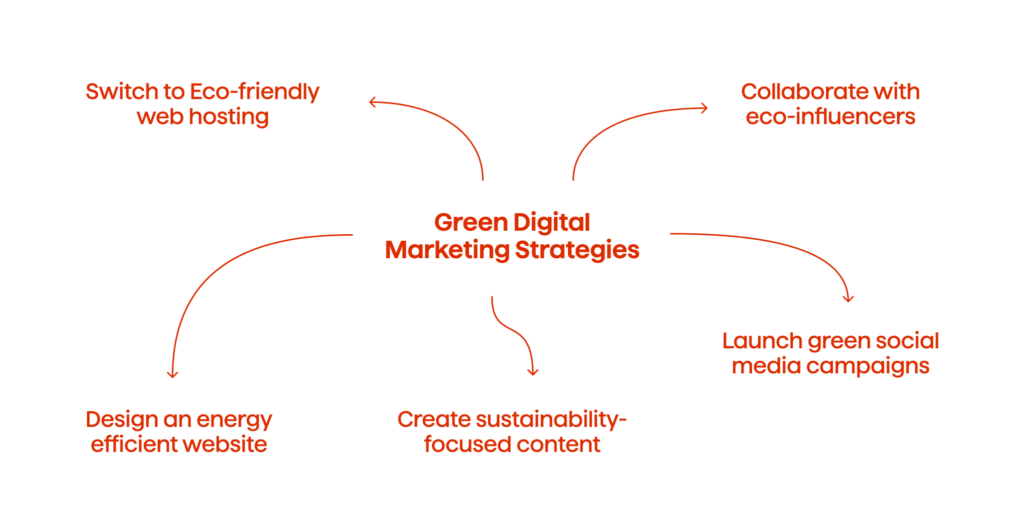
These factors are significantly impacting the industry, driving both MarTech and AdTech sectors to prioritize sustainable advertising practices and inclusivity.
As we look ahead to AdTech trends in 2026 and beyond, it’s clear that these values will be central to shaping the industry’s growth. Adapting to these shifts is not only a response to current consumer demands but also a strategic move for future development.
MarTech
Sustainability is becoming an integral part of marketing strategies, with brands aligning their messaging and digital campaigns to promote eco-friendly initiatives. Consumers are now expecting companies to take active steps in reducing their environmental impact. This push toward sustainability is more than just a passing trend; it’s becoming a core part of brand identity and differentiation. Marketers are also incorporating inclusive content that reflects the diversity of their customer base, creating campaigns that resonate on a deeper, more personal level.
AdTech
In the AdTech market, sustainability is being integrated through technologies that minimize the carbon footprint of digital advertising. By utilizing energy-efficient ad-serving solutions and carbon-neutral platforms, the industry is expected to lead the way in sustainable digital campaigns in 2026. Inclusivity is equally essential as advertisers create content that resonates with the diverse global audiences. The ability to create inclusive ads that resonate across demographics will not only enhance brand loyalty but also help companies stay competitive in the advertising landscape.
Embracing these new advertising technology trends will help brands remain relevant, foster consumer trust, and secure long-term success in 2026 and beyond.
The role of the metaverse
The metaverse is set to revolutionize AdTech and MarTech. The global metaverse market is expected to grow at a compound annual growth rate (CAGR) of 46.4%, from an estimated USD 105.40 billion in 2024 to USD 936.57 billion by 2030.
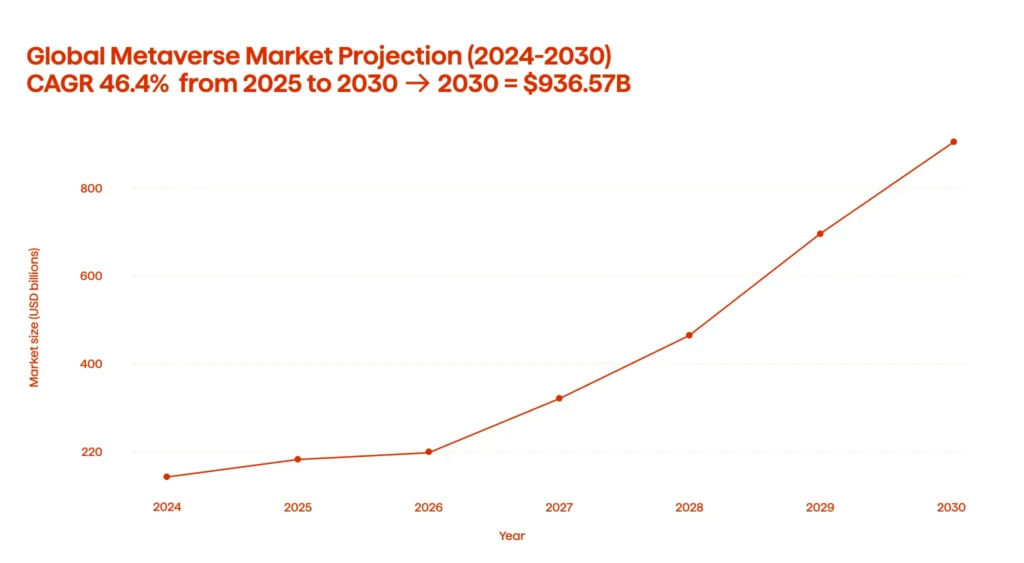
As the metaverse integrates more deeply into marketing efforts, it promises to transform how companies connect with their audiences, offering innovative ways to enhance engagement and drive results.
MarTech
Marketing technology is leveraging the potential of the metaverse by creating immersive brand experiences that extend beyond traditional digital channels. Virtual and augmented reality campaigns are becoming central to marketing strategies, offering consumers more interactive and engaging ways to connect with brands. These immersive experiences not only enhance customer engagement but also enable marketers to experiment with new and innovative forms of storytelling. As part of the marketing technology trends in 2026, brands are expected to invest heavily in these technologies to create more memorable and impactful consumer interactions.
AdTech
The AdTech market is expected to leverage the metaverse for innovative advertising solutions that capture consumer attention in virtual environments. Interactive ads in the metaverse are poised to become a key component of digital campaigns, enabling advertisers to connect with users in a more engaging and immersive manner. With the metaverse ad market continuing to grow, advertisers are exploring new ad inventory formats that blend traditional programmatic advertising with virtual reality.
As the metaverse continues to evolve, industry leaders and experts in both marketing and advertising must adapt to these emerging AdTech industry trends. Embracing virtual and augmented reality will be crucial for staying competitive and driving engagement in this rapidly expanding digital space.
FAQ
Conclusion
The digital landscape is changing faster than ever, with AI, video advertising, and the metaverse redefining the realms of MarTech and AdTech in 2026 and beyond. These advancements present both opportunities and challenges for brands and advertisers, requiring a shift towards more dynamic and responsive strategies.
Contact us to learn more about how these AdTech and MarTech trends can impact your strategy or to explore how we can help you navigate these shifts. We’re here to guide you through these changes and help you thrive in the ever-shifting AdTech software development landscape.



Your business results matter
Achieve them with minimized risk through our bespoke innovation capabilities. Fill in the form below.