






Predictive Analytics for Transportation
Convert raw data into actionable knowledge, supporting proactive fleet management, optimized scheduling, and predictive maintenance. Whether you operate public transit systems or manage freight logistics, we can turn potential disruptions into new efficiency gains.
How We Can Help You
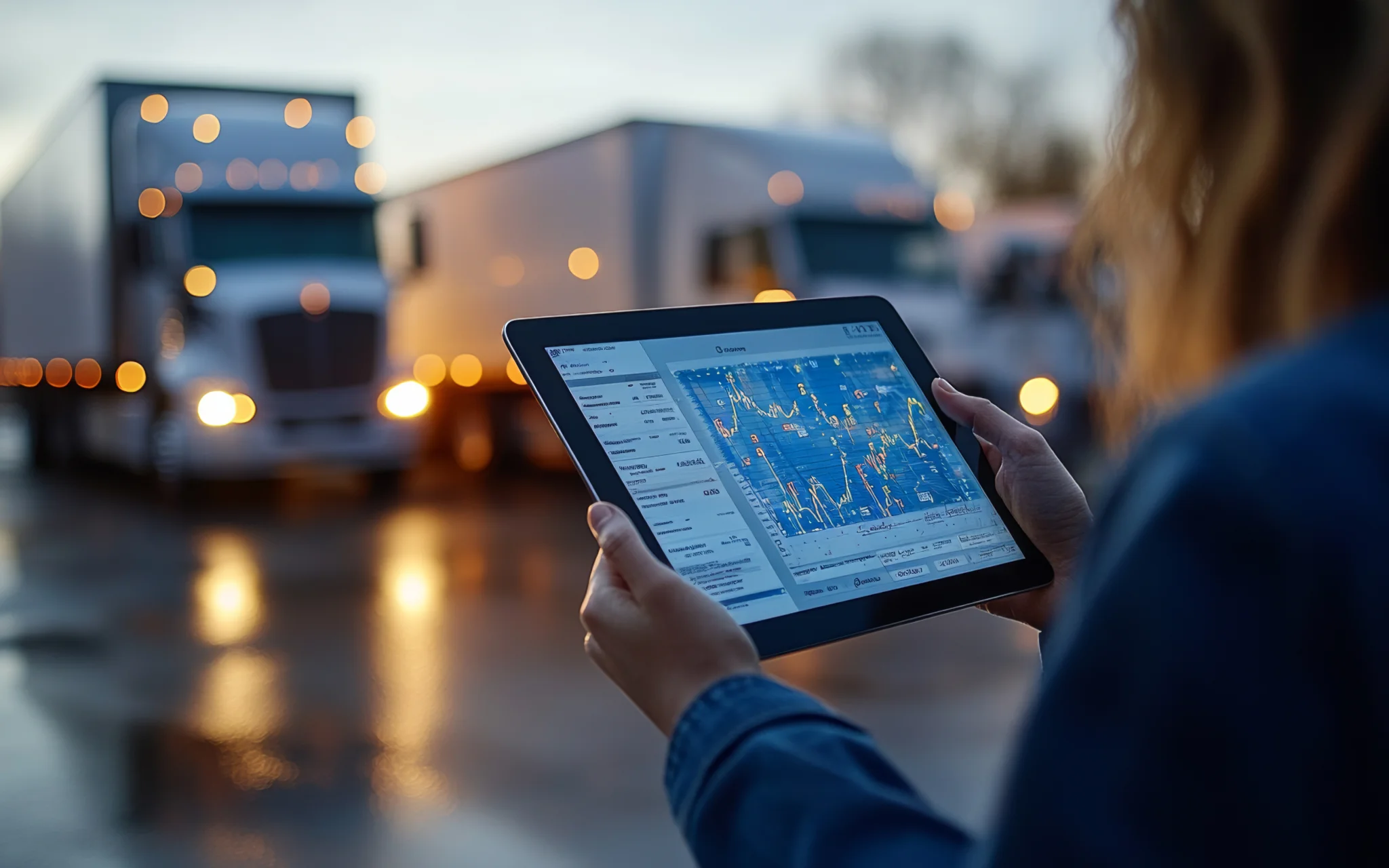
Enable smarter, more responsive operational strategies that maximize efficiency and performance. We craft custom analytics ecosystems that are calibrated to our partner’s operations.
Our transportation experts can help you aggregate complex data streams, transforming disconnected information into valuable knowledge. We design custom software that captures nuanced interactions between IoT devices, GPS systems, historical records, and external environmental factors, enabling transportation providers to uncover operational insights that traditional transportation analysis methods might miss.
Unlock new possibilities with custom predictive transportation solutions
Proven Experience in Transportation and Logistics
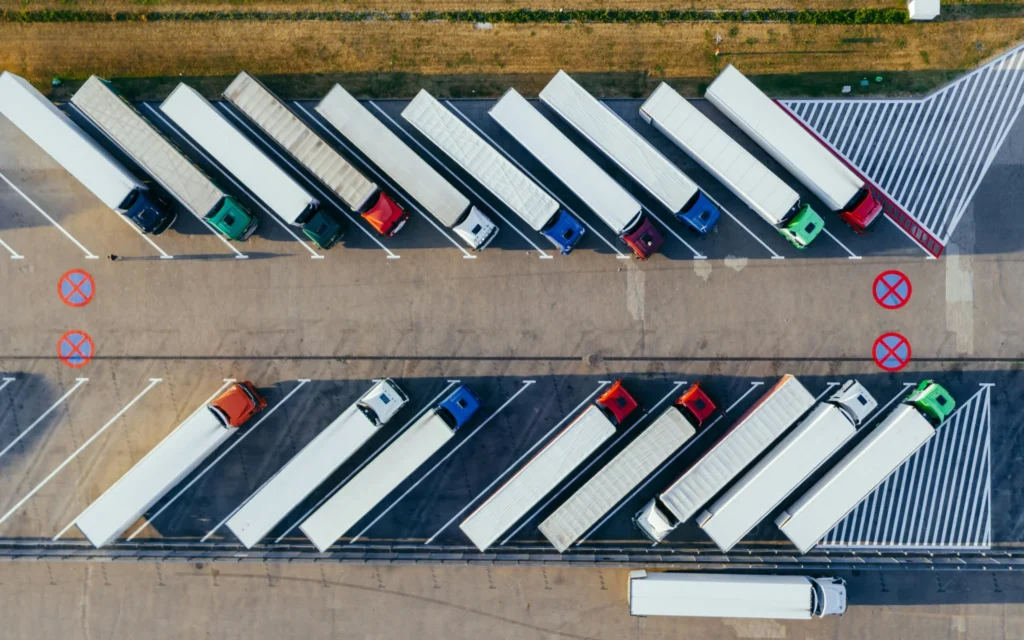
An advanced fleet management system for trucking companies

APG: Sophisticated eCommerce Cross-Border Delivery System

What We Do in Transportation Data Analytics



Create data monitoring systems that predict potential vehicle failures by analyzing real-time sensor data, maintenance histories, and performance metrics. Our solutions can assist you in the transition from reactive to proactive maintenance.
Transform your transportation operations with Avenga
“The team is dedicated to supporting the client in their journey of achieving business milestones.”
Carlos Leymarie
CEO, AssistCargo
Data Analytics in Transportation and Freight
AI/ML Evolution in Transport

The industry is shifting toward more sophisticated ML models for demand prediction and fleet optimization, incorporating real-time data streams and environmental factors. We can enable you to leverage our multi-industry AI expertise to accelerate the adoption of proven predictive algorithms.
Edge Computing

Transportation operators are increasingly moving toward edge processing for faster decision-making and reduced data transfer costs. Our experience can make it possible for your organization to avoid common pitfalls and achieve faster ROI from edge computing investments.
Data Integration Standards

The emergence of standardized protocols for transportation data sharing is enabling more comprehensive analytics across different modes of transport. Drawing on our extensive expertise, we can help transportation operators comply with emerging standards and extract maximum value from unified data streams.
Sustainability Analytics

Growing focus on environmental impact monitoring and optimization creates new opportunities for data-driven fleet management. Our specialists can assist you with the creation of analytics frameworks that optimize both operational efficiency and sustainability metrics, creating balanced solutions for the future.
Why Avenga?
Why Avenga
Vendor-Agnostic Integration Expertise
Our experience with diverse technology stacks enables us to integrate analytics solutions with your existing infrastructure, ensuring your company maintains flexibility in their technology choices and maximizes the value of current investments.

Why Avenga
Smooth Knowledge Transfer
We prioritize clear documentation and regular knowledge sharing sessions to equip our team members with the necessary skills and expertise. This commitment fosters a culture of continuous learning and growth within our organization.

Why Avenga
Data Integration Excellence
We excel at building unified data ecosystems that combine real-time IoT feeds, historical operations data, and external factors. We empower companies to move beyond basic reporting to predictive and prescriptive analytics that drive real business value.

Why Avenga
Proven Transportation Experience
Our teams bring years of experience in transportation analytics projects. This means we understand not just the technical requirements but also the operational realities of modern transit systems. Our experience translates into solutions that deliver practical value from day one.

Your business results matter
Achieve them with minimized risk through our bespoke innovation capabilities. Fill in the form below.
Related Insights
An advanced fleet management system for trucking companies